(866) 850-9555
help@netcancerawareness.org

NETSTalk

Choosing to Live Like It’s Spring Again.

April 1, 2026

By Anne Dabbs, 
NCAN TN Support Group Leader, NET Patient

“Despite the forecast, live like it is spring.” — Lily Pulitzer

In just four months, I will reach a milestone: 10 years since my neuroendocrine cancer diagnosis. To say I’ve been doing a lot of thinking lately is an understatement.

As I learned more about NET cancer, I began following the idea of the “5 Es,” known to trigger symptoms of Carcinoid Syndrome for people like me with a small bowel tumor. I had all the classic symptoms for years before I was diagnosed, so I became determined to reduce these triggers as much as possible.

Eating: I treated changing my diet like a challenge I wanted to win.
Exertion: I shifted from regular yoga to chair or senior yoga.
Ethanol: Alcohol simply stopped being enjoyable.
Epinephrine: I studied how adrenaline affects my tumors with the focus of a middle school science project.
Emotions: This one has been the hardest.

For many years, stress was a constant in my life as a mother, daughter, wife, sister, in-law, and small business owner. It wasn’t about whether I could handle it, but how much I could take on. After my diagnosis, once I understood how harmful stress could be, I worked hard to avoid it.

Now, ten years later, my tumors are still mostly stable, and I believe those efforts have helped. But looking back, I realize most of my changes have been small, except when it comes to my emotions.

I’ve changed. I now run everything through a mental filter before I act. I don’t act on impulse anymore, but I’ve also lost some spontaneity. I’m less expressive, more careful in conversations, and sometimes I hold back completely. At times, I wonder if I’ve become too cautious.

Living with cancer has a way of making you constantly reflect on your life. I’ve been living with an uncertain future, and I’m starting to wonder if part of how I’ve coped has been by quietly shutting down my emotions.

As I approach this 10-year mark, I want to celebrate, but also to shift. I want to open up more, try new things, and feel excited about life again. I want the courage to take on new challenges and even revisit dreams I once had.

Yes, my next scan could bring bad news. Life is unpredictable for everyone, not just those of us with a cancer diagnosis. But I want to focus on what’s possible again, even if I ultimately choose a simpler, more routine life.

Wherever you are in your NET cancer journey, I hope you choose to live like it’s spring again. Look for new beginnings. Enjoy the small joys. Let life refresh and restore you.

NCAN is here to support you as you reset your outlook and hold on to hope for life, love, and laughter. Reach out if you need us. We’re here. For you.


Disclaimer: NCAN blog posts are the opinions of its writers and are not intended as a replacement for medical advice. Please consult your Health Care Providers for individual concerns.


Read more

Living with NETs: A Roller Coaster of Strength, Gratitude, and Grace.

March 1, 2026

By Anne Dabbs, 
NCAN TN Support Group Leader, NET Patient

“Living with NETs can be such a roller coaster ride some days.”

“Life is a roller coaster whether you have NETs or not. You just have to learn to enjoy the ride.”

So ended a recent text exchange with my friend who lives several states away and is also living with NETs. We had been discussing her recent social media posts, which together received well over 300 responses. Like many others, I was deeply moved by her honesty and the way she described experiences that so many of us feel but struggle to express.

Living with a chronic illness is challenging on many levels. The physical toll is only part of the story. The emotional weight, the uncertainty, and the quiet adjustments of daily life often remain unseen. Not all of us can put those feelings into words as powerfully as my friend has. With her permission, I want to share some of her reflections.

“I’ve learned that this disease is not something you simply ‘get through.’ It stays with you. The constant monitoring, monthly injections, endless appointments, and the bone deep fatigue become part of your everyday life. Over time, it wears on more than just your body. It changes how you see yourself.”

“There are days when I’ve come close to giving in. And then there are days when I push forward simply because that’s what we do. I put on a face of health and normalcy for my family and the world. I smile, I reassure, and I say I’m okay even when I’m not.”

“What once took a couple of hours can now take all day, or longer. I make plans with the best intentions, only to cancel them because my body refuses to cooperate.”

“I’ve told myself it’s just age catching up with me. But deep down, I know this is NET.”

“I am profoundly grateful to still be here. That gratitude carries me through many days. But there are times when the weight of this disease becomes too heavy, and I need a day in bed just to recover. Living with NETs is not a one time fight. It is a continuous balancing act between pushing forward and knowing when to rest.”

“NET is both a blessing and a curse. It gives us time, but it asks us to live within limits we never chose. I am happy to be alive, yet I grieve the loss of feeling truly healthy.”

“If you are living with NETs and feel like you are leading a double life, please know this. You are not weak. You are not failing. And you are not alone. Every day you show up in this body is an act of strength, even when no one else can see it.”

She also shared these affirmations for living with NETs:

• My experience is real, even when it is invisible to others.

• Rest is not giving up. It is part of surviving.

• I am allowed to grieve the life I had while being grateful for the life I have.

• My worth is not measured by productivity or appearances.

• I am doing the best I can in a body that carries more than most can see.

• I am not alone. Others walk this path with me.

• Showing up, in whatever way I can today, is enough.

These words resonated with hundreds of people because they speak to a truth many in the NETs community understand deeply. Living with NETs is not a single battle to be won. It is an ongoing journey of adaptation, resilience, grief, gratitude, and hope.

The NCAN family wants you to remember that you are not alone. Every day with NETs can bring struggle, gratitude, or both at once.

If you need support, understanding, or simply someone to listen, we are here for you.

Whatever today looks like, you do not have to face it alone.


Disclaimer: NCAN blog posts are the opinions of its writers and are not intended as a replacement for medical advice. Please consult your Health Care Providers for individual concerns.
Read more

Keeping Awareness in Our Conversations.

February 1, 2026

By Anne Dabbs, 
NCAN TN Support Group Leader, NET Patient

As I was leaving my oncology appointment yesterday, I was surprised to see a dear friend sitting in the waiting room with a folder for the oncologist. My heart sank as I walked toward Jonathan. I felt sad, thinking that cancer had entered his life too. He quickly introduced me to the man sitting next to him—a friend he drives to medical appointments. I admit, I felt relieved.

His friend wore a knitted cap over his bald head, and his skin lacked a healthy glow. It was clear his treatment was much harder than my routine injection every 28 days. When he asked about my treatment, I struggled to respond. I sat there with a full head of hair and about fifteen extra pounds. My usual “elevator speech” failed me. I felt almost guilty explaining my highly treatable, but incurable, cancer to another cancer patient whose treatment I would not want to trade places with.

Later that night, as I thought about the conversation, I decided I needed to practice and improve how I talk about Neuroendocrine Cancer. I want to be better prepared to explain it to the general public, to other cancer patients, and especially to my fellow NETs patients.

For the general population, I need to refresh my elevator speech—a brief, two- to three-minute explanation of my little-known cancer. The goal is not to overwhelm people, but to give a simple overview of Neuroendocrine Cancer. I usually describe it as highly treatable, but currently incurable, and involving multiple organs. I never mention that I was Stage 4 at diagnosis.

When speaking with cancer patients who do not have NETs, I try not to minimize the challenges that NETs patients face. I openly admit that I am grateful for a treatment that is “just” an injection every 28 days compared to more aggressive therapies. Right now, my prognosis is stable, but I understand how quickly that can change. The word incurable carries a heavy weight. I genuinely celebrate those who get to ring the bell at the end of treatment. At the same time, I owe it to myself and the NETs community not to apologize for a treatment that may appear easier at first glance.

For my fellow NETs patients, both in person and online, I want to grow my knowledge and vocabulary around Neuroendocrine Cancer. I want to better understand how different and complex this disease can be. I want to use the right words when I describe it. I also want to remind others—and myself—that it is completely normal to want to laugh and scream in frustration at the same time. I will gladly join you in both.

Our online NETs conversations are a vital lifeline—especially for those living in rural areas, those who struggle to find support, and those who face dark thoughts in the middle of the night. For the past ten years, the NETs community has supported me again and again.

As I share my experiences with others, I try to remember a few important things:

• My story is personal. What is true for me may not be true for you.
• Because Neuroendocrine Cancer is so varied, there is no single treatment path that works for everyone.
• NETs specialists may approach care differently, and that’s okay. Getting a second opinion can be helpful.
• The greatest benefit of talking with other patients is gaining perspective, not finding a perfect answer.
• Words matter. Speaking in absolutes often comes from emotion rather than fact.
• Wisdom grows from expertise, innovation, and compassion—try to include all three.
• Not every day living with NETs is a good day, but there is something good in every day. Stay open to finding it.

At the end of the day, this is why NCAN exists.To remind us that even when the words are hard… even when we don’t know how to explain our diagnosis… even when we feel like we have to “justify” our version of cancer…

We are here for you. For the newly diagnosed. For the long-haulers. For the caregivers. For the people who feel brave one minute and completely overwhelmed the next.

Neuroendocrine Cancer is complex, but you don’t have to navigate it alone. Call if you need us.


Disclaimer: NCAN blog posts are the opinions of its writers and are not intended as a replacement for medical advice. Please consult your Health Care Providers for individual concerns.
Read more

A New Year of Hope, Progress, and NETs Awareness.

January 1, 2026

By Anne Dabbs, 
NCAN TN Support Group Leader, NET Patient

For many of us in our NETs community, World NETs Awareness Day on November 10, 2025, brought up an interesting topic for discussion and reflection. Which is more important, NETs awareness or NETs research? It is not a simple question, and the answers can vary quite a bit depending on who you ask.

• Research requires advanced educational instruction and experience.
• Research requires motivation.
• Research requires money, and often very large amounts of it.
• Research brings us new diagnostic tools, better treatments, and improved patient outcomes. But even before these things are possible, research is built upon a recognized need.

• Awareness is the catalyst.
• Awareness identifies the need.
• Awareness is the instigator for patient registries.
• Awareness starts the drive for additional funding within the medical field, the government, and philanthropic organizations.
• Awareness leads to more clinicians becoming familiar with the disease.
• Awareness is a driver for advocacy, policy change, and additional research.

It is probably safe to say that awareness builds the foundation that allows research to occur.

What does this mean for me, an individual oncology patient whose Neuroendocrine Cancer diagnosis has opened a whole new world?

I am greatly indebted to the NETs research that has provided me with accurate diagnostic tools and procedures, quality surgery from highly respected NETs specialist surgeons, effective disease management treatments, and reliable surveillance tools. I am the appreciative recipient of decades of work, and deeply grateful that I arrived at a path forward that allows me to continue living a rewarding and mostly healthy life.

I am equally indebted to the awareness efforts made by NETs advocates and patients in the years before my diagnosis. For decades, Neuroendocrine Cancer has been considered a rare disease. It was first recognized in 1907 as a slow-growing intestinal tumor that behaved differently from other cancers. The term “carcinoid,” often used to describe it, translates to “cancer like.” Not until the 1960s did the medical field begin to expand its research efforts. It took until the turn of the century for additional first-line treatments to become available and for scientists to better understand that these tumors arise from neuroendocrine cells found throughout the body.

Now, a quarter of a century later, NET Cancer is on the cusp of no longer being considered rare. I have hope that this will result in a larger share of cancer research funding. I have hope that more scientists and researchers will be drawn to the uniqueness of this disease. I have hope that pharmaceutical companies will continue to support our needs.

It has become clear to me that awareness of Neuroendocrine Cancer has been, and will continue to be, an opportunity for all of us to contribute to the advancement of our care.

In 2026, the Neuroendocrine Cancer Awareness Network (NCAN) will once again expand our opportunities to increase education and public awareness for NET Cancer. As we become more knowledgeable and more vocal, we help support research efforts with our gratitude, our advocacy, and our stories. NCAN will continue its support for research as well.

In just a few short weeks, NCAN will share the 2026 calendar of patient conferences. We will be notified of new YouTube podcast topics and speakers. The NCAN NETs hotline will continue to offer confidential conversations with patients. Support group meetings, both virtual and in person, will continue. Opportunities to participate in pharmaceutical surveys, share your story on NETs Get Real podcasts, and contribute to the growth and strength of our NETs family will remain available. There is a place for everyone who wants to advocate for improvements and advancements in our care.

So, which is more important, research or awareness? There is no universal answer. Research and awareness depend on each other. NCAN invites you once again to join us in being the spark that drives everything that supports and encourages our ability to live well with Neuroendocrine Cancer.

We are here for you if you need us.


Disclaimer: NCAN blog posts are the opinions of its writers and are not intended as a replacement for medical advice. Please consult your Health Care Providers for individual concerns.

Read more

Holiday Wishes.

December 1, 2025

By Anne Dabbs, 
NCAN TN Support Group Leader, NET Patient

“Wish You Well” is the name of a novel by David Baldacci that I first read in the early 2000s. The title spoke to me. My father had recently passed away, and our oldest child was leaving home for college. The book’s underlying theme of finding acceptance and looking for joy in the present has stayed with me for more than 20 years. It still shows up when I’m struggling or facing a hard decision, reminding me to look for joy even when things feel heavy.

A few years later, a similar phrase entered my life: “Wish You Enough.”
This one arrived at a time when my days seemed to swing from good to bad almost daily. The hard days could drag me down and keep me there, and the good days felt few and far between. I knew I had to break that cycle, so I started looking for bright spots and silver linings, even on the hardest days.

Surprisingly, once I changed how I looked at the hard days, the good days felt sweeter without much effort. As I became content with small moments of appreciation, the hard days had less control over my emotions.

Living with Neuroendocrine Cancer can bring a lot of hard days. It can also bring acceptance, contentment, and a deeper appreciation for the people and moments that lift us up. So this year, I want to share these Holiday Wishes and Affirmations with you.

Happy Holidays from our NCAN family to you and yours.
We wish you well. And we are here for you when you need us.


Find out more about how YOU can help the NET Community.


Disclaimer: NCAN blog posts are the opinions of its writers and are not intended as a replacement for medical advice. Please consult your Health Care Providers for individual concerns.
Read more

How Awareness Creates Ripples of Change for Rare Cancers Like NETs.

November 1, 2025

By Anne Dabbs, 
NCAN TN Support Group Leader, NET Patient

People often ask, “Why focus on awareness? Wouldn’t those efforts be better spent funding research?”

It’s a fair question. Research leads to better treatments and, eventually, cures. But awareness is what makes research and every other kind of progress possible.

Awareness Saves Time and Lives

Neuroendocrine cancers (NETs) are rare, but not as rare as many people think. Thousands of people are diagnosed each year, and many more live for years without answers because their symptoms are mistaken for something else.
On average, a NET patient waits five to seven years for the correct diagnosis. That means years of uncertainty, misdiagnosis, and sometimes missed opportunities for treatment.
When doctors, nurses, and even patients know what to look for because of awareness efforts, those years can turn into months. That difference can save lives.

Awareness Builds Community

Awareness is not only about information. It is about connection.
When patients find NCAN, they realize they are not alone. Awareness brings together families, advocates, and survivors who lift one another up and share knowledge and hope.
That sense of belonging is powerful. It inspires people to walk, volunteer, advocate, and give back. Awareness creates the community that keeps this movement alive.

Awareness Drives Funding

People cannot support a cause they have never heard of.
Every time someone sees a zebra ribbon, shares a Strides for Stripes post, or wears a NET awareness shirt, more people learn about these rare cancers and many go on to act.
Sponsors, corporate partners, and donors often find NCAN because of awareness events. Each new connection adds to the resources that make patient programs, education, and research grants possible. Awareness opens the door, and funding walks through it.

Awareness Inspires Action

When people know, they care.
When people care, they act.
Awareness turns bystanders into advocates. It helps people push for better treatments, tell their doctors about symptoms that might otherwise be overlooked, and support loved ones navigating a rare diagnosis.
The more people who know, the stronger the movement grows.

November Is NET Cancer Awareness Month

Each November, the NET community joins together around the world to share stories, raise funds, and shine a light on this rare disease.
It is a time to educate, connect, and inspire action, and a reminder that awareness does not end when the month is over. Every post, every walk, and every zebra shirt continues that mission all year long.

Awareness Is the First Step Toward Change

Research changes the future, but awareness is what makes that future possible.
It brings patients to doctors, doctors to accurate diagnoses, and supporters to fundraising pages. It helps all of us move closer to better outcomes for the NET community.
Every post, every walk, every zebra shirt matters.
Awareness is more than knowing. It is the spark that starts everything that follows.

Join us in spreading awareness and funding hope.

Together, we are making sure no one faces NET cancer alone.
And remember, we’re always here for you if you need us.


Disclaimer: NCAN blog posts are the opinions of its writers and are not intended as a replacement for medical advice. Please consult your Health Care Providers for individual concerns.

Read more

Step by Step, Stripe by Stripe: Why We Walk.

October 1, 2025

By Anne Dabbs, 
NCAN TN Support Group Leader, NET Patient

When you see a zebra, what do you notice first? Its stripes. No two patterns are alike—just as no two journeys with neuroendocrine cancer (NETs) are the same. The zebra has become the international symbol of NET Cancer Awareness because it reminds us of the rarity and uniqueness of this disease, and of the strength it takes for every patient to keep moving forward.

For over 20 years, the Neuroendocrine Cancer Awareness Network (NCAN) has been walking alongside patients and caregivers, offering not just education and resources, but also community, compassion, and hope. Founded in 2003 to shine a light on a disease too often overlooked and misdiagnosed, NCAN has grown into a lifeline for thousands. From expert-led conferences and support groups to podcasts, hotlines, and free educational resources, NCAN is there—step by step, stripe by stripe.

Each fall, our community comes together for something special: Strides for Stripes. This annual walk isn’t just a fundraiser; it’s a celebration of strength, connection, and hope. Participants proudly wear zebra-striped shirts that say to the world: we are here, and we are stronger together.

The funds raised during Strides for Stripes make it possible for NCAN to continue offering life-changing programs, including:

• Annual regional NET Patient Conferences with top NET experts
• A 365-day patient/caregiver-run hotline (9am–9pm EST)
• Monthly podcasts featuring NET experts, patients, caregivers, and advocates
• Bi-monthly live Q&A sessions with NET experts
• Monthly blog posts on Living Well with NET Cancer
• Monthly virtual patient support groups via Zoom
• Local in-person NET support groups across several states
• A robust YouTube Channel with 10+ years of NET expert presentations
• Free new-patient information packets mailed on request

This year’s walk kicked off on September 1st and continues through the end of the year—giving everyone the chance to participate, whether virtually or in person. You can walk solo, join with friends, or build a team to show your stripes in honor of a loved one. Every step you take makes a difference.

Because when you walk with NCAN, you’re not just raising awareness—you’re carrying hope forward.

Register today, lace up, and walk with us. Together, we’ll turn stripes into strength and keep walking toward a brighter future for NET patients and their families.

And always remember: If you need us, we are HERE.


Disclaimer: NCAN blog posts are the opinions of its writers and are not intended as a replacement for medical advice. Please consult your Health Care Providers for individual concerns.

Read more

“PAs, NPs, and MAs! Oh My!”

September 1, 2025

By Anne Dabbs, 
NCAN TN Support Group Leader, NET Patient

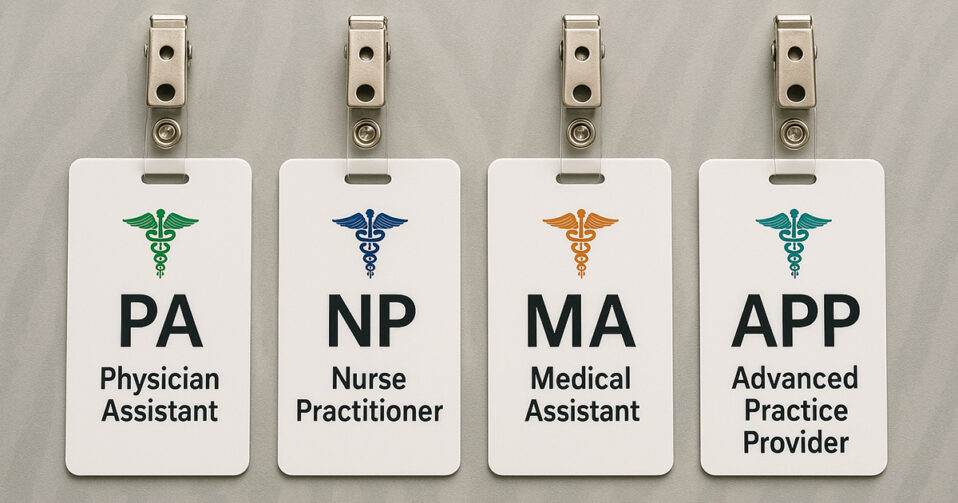
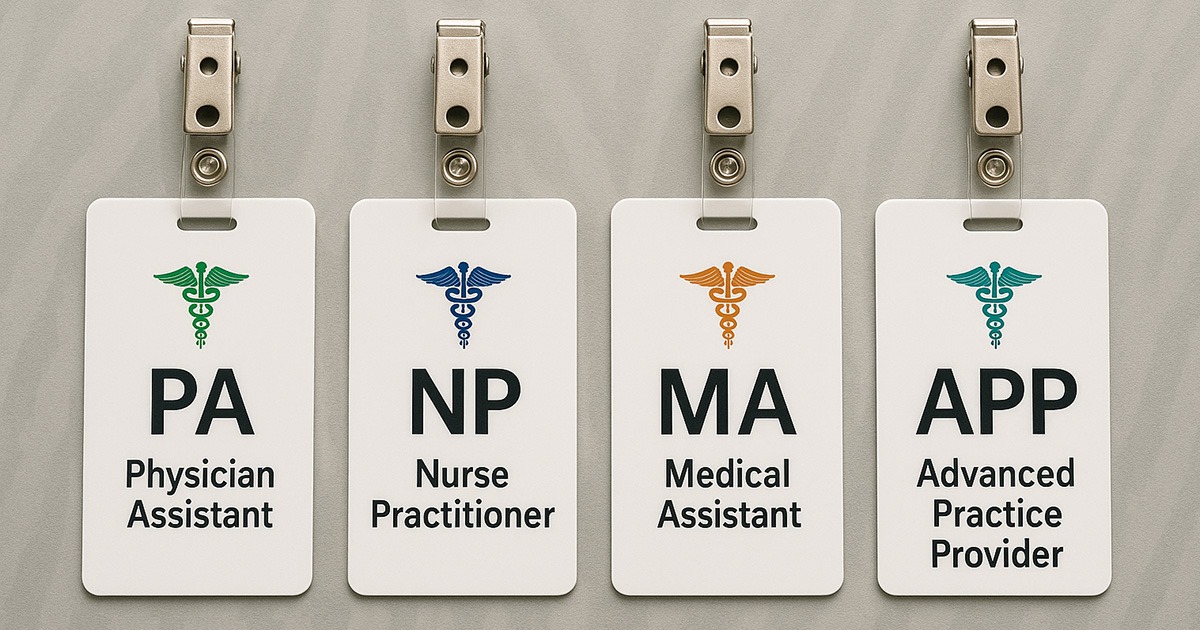
I recently gained a new member on my medical team: an APP.
No, not something you download to your phone. APP stands for Advanced Practice Provider.

The term provider began replacing physician in the 1970s, reflecting a shift in how the medical industry described the person responsible for a patient’s care. By the 1990s, the change picked up speed, influenced by new health policies, evolving workforce structures, and insurance billing practices. Today, provider is an inclusive term, especially in the popular team-based model of care.

In the highly specialized world of Neuroendocrine Cancer, APPs play a major role in our treatment. Early in our diagnosis, many patients, myself included, feel confused or even frustrated when it is not explained that PAs and NPs are essential to our standard care. If you are fortunate to have a lower-grade, relatively stable NET, you may find that your regular appointments do not always include your oncologist directly. Instead, APPs often serve as the main line of communication to your physician.

Last month, I added another member to my team: an MA. Curious and a little confused about where MAs fit into the hierarchy, I did some digging. Here is what I learned:

Who’s Who in APPs and Related Roles

• Advanced Practice Providers (APPs) – Licensed health care professionals with advanced training who can perform many of the same functions as doctors, including specialists. Whether they work independently or under supervision depends on state laws and facility policies.

• Nurse Practitioners (NPs) – Registered nurses with graduate-level degrees who can diagnose, prescribe medications, order tests, and manage treatment plans.

• Physician Assistants (PAs) – Usually hold a master’s degree in a medical-model program. They may or may not have a nursing background. They can perform physical exams, order and interpret tests, diagnose conditions, prescribe treatments, and in some states even assist in surgery.

• Medical Assistants (MAs) – Allied health professionals who support physicians, NPs, and PAs by performing both administrative and clinical tasks. Most complete either a two-year associate degree or a 9–12-month certificate program, covering medical terminology, office administration, basic anatomy, and limited clinical procedures. MAs can become Certified Medical Assistants (CMAs) through the appropriate board, but they always work under the supervision of an MD, DO, NP, or PA.

Of all my six “-ologists” and my NET specialist, dentist, PCP, and their assorted APPs, only my new MA has checked my height in the past two years. Impressive! I thought, this guy is good! Welcome to the team.

Of course, the result was humbling. Like many of us “seasoned adults,” I have shrunk a bit. Goodbye, good BMI!

Humor aside, knowing your care team and understanding who provides which services is essential. It helps you direct your concerns to the right person, builds trust, and fosters the kind of communication that makes living well with Neuroendocrine Cancer much more manageable.

Your care team is important, and so is having a community that understands. NCAN is always here to offer guidance, encouragement, and a listening ear. Reach out to us whenever you need support and we will be here for you.


Find out more about how YOU can help the NET Community.


Disclaimer: NCAN blog posts are the opinions of its writers and are not intended as a replacement for medical advice. Please consult your Health Care Providers for individual concerns.

Read more

Cancer Conversations.

August 1, 2025

By Anne Dabbs, 
NCAN TN Support Group Leader, NET Patient

Talking about your cancer diagnosis can be incredibly challenging. Early on, patients often find themselves navigating unfamiliar medical terminology while simultaneously figuring out how to break the news to those who need to know—family, employers, and close friends. At the same time, we’re expected to field questions from well-meaning acquaintances—and sometimes even total strangers—which can require a whole different level of emotional and social bandwidth.

Then there are the conversations we have with fellow cancer patients in online support groups. These interactions require a special kind of communication skill—balancing empathy, shared experience, and thoughtful listening.

Just as Neuroendocrine Cancer (NETs) is a highly heterogeneous disease, each of us experiences it in a uniquely personal way. In my conversations with other NET patients, I’m often reminded of a wise, simple truth:

“Everyone you meet carries a burden you know nothing about. Be kind.”

Responding to Unsolicited Advice

One common topic in online support groups is how to respond when family, friends, or even strangers, offer unproven cures or unsolicited advice. These suggestions often come from a place of love and sincere concern, but they can be hard to navigate.

Helpful, kind replies might sound like:

• “That’s an interesting perspective. We’re following our physician’s advice.”
• “I appreciate your concern. We’re doing what’s right for our family.”
• “Thanks for sharing. I’ll keep that in mind.”
• “My cancer is very heterogeneous—there’s no one-size-fits-all approach. We’re learning as we go.”

While these conversations may stir up emotions, especially when we’re already vulnerable, it’s important to remember that, in the world of cancer, manners matter.

“In a world where you can be anything, be kind.”

Kindness in Online Communities

As the Neuroendocrine community continues to grow, it’s essential that we maintain kindness and empathy, especially in our “safe spaces” online. Most private support groups are designed to give patients a place to ask difficult questions and express raw emotions without fear of judgment.

Recently, a post in a private NETs group began:

“This may cause some disagreement, and that’s okay, but please don’t be rude or hateful.”

That comment stopped me in my tracks. It made me pause and reflect before replying. Was this person simply sensitive—or had they received harsh feedback before? Regardless, their vulnerability deserved respect.

In another instance, a patient shared the scan preparation instructions their medical facility had provided—not asking for feedback, just relaying information. Another member jumped in to say the instructions were wrong. A back-and-forth followed, with the original poster calmly replying:

“You might be right, but I feel I should follow the instructions from my doctor’s office.”

The instructions weren’t harmful—perhaps just a bit excessive. They may have reflected the facility’s learning curve. Still, the interaction reminded me of an important principle in online communication:

Always pause before hitting send.

Pause, Reflect, Respond

Before we respond, online or in person, it helps to ask ourselves:

Is it true?
Is it helpful?
Is it kind?

In this community, where we’re bound not just by disease but by shared courage, it’s more important than ever to honor each other’s stories with grace, empathy, and patience.

The conversations we have as cancer patients—whether with loved ones, strangers, or each other—can shape our emotional well-being just as much as any treatment plan. At NCAN, we recognize how important it is to have a space where kindness, empathy, and patience are at the heart of every exchange.

We’ve built this community so that you never have to navigate these conversations alone. Whether you’re looking for answers, reassurance, or simply someone who understands, we’re always here to listen. Our support groups, conferences, and the NCAN hotline are all safe spaces where your voice is heard, and your experience is honored.

If you ever need to talk, reach out or call (1-866-850-9555).

Because thoughtful words, shared understanding, and genuine support matter, and we’re here for all of it, every step of the way.


Find out more about how YOU can help the NET Community.


Disclaimer: NCAN blog posts are the opinions of its writers and are not intended as a replacement for medical advice. Please consult your Health Care Providers for individual concerns.

Read more

Living with Pain.

July 1, 2025

By Anne Dabbs, 
NCAN TN Support Group Leader, NET Patient

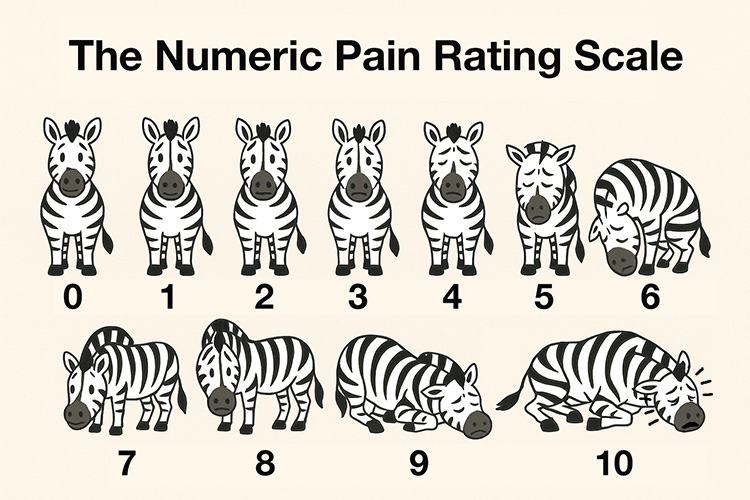
The Numeric Rating Scale keeps getting me into trouble at my doctor appointments. You know the one—ten little round faces ranging from serene to absolutely hysterical.

Number 1 supposedly represents “no pain,” while 10 is reserved for “the worst pain imaginable.” Every time I’m asked to rate my pain, I get stuck. I’ve learned the hard way that saying “no more than usual” isn’t considered an acceptable response by my physicians.

For many of us living with Neuroendocrine Cancer, pain is a persistent reality. Learning to talk about it accurately and clearly is essential for receiving appropriate care.

Pain is more than just a physical sensation—it’s complex, often involving emotional, cognitive, and functional aspects. The way we describe our pain can make a huge difference. Saying, “A stabbing pain prevents me from lifting my leg enough to go up a stair,” is far more informative than simply stating, “My leg hurts.”

I’ll admit, I fall into the camp of people who tend to dismiss or ignore symptoms until they reach a crisis point. That’s not helpful—to me or my doctor. On the flip side, describing every discomfort as a 10 out of 10 can also hinder effective communication. Being stoic or dramatic are two sides of the same unhelpful coin. The Numeric Rating Scale is meant to open a productive dialogue, not reduce a complex experience to a single number.

It’s also important to remember that the NRS doesn’t account for how pain affects your daily life. Pain intensity varies from person to person, so telling your doctor what you can’t do because of pain—like walking, sleeping, or concentrating—can guide better treatment decisions.

Try using this simple framework to help communicate about your pain more clearly:
• Location: What part of your body is affected?
• Onset: When did the pain start?
• Character: Is it dull, sharp, burning, throbbing?
• Spread: Does the pain radiate or affect other areas?
• Alleviating Factors: What helps reduce the pain?
• Timing: Is it constant, intermittent, worse at certain times?
• Exacerbating Factors: What makes the pain worse?
• Severity: How intense is it—and how is it affecting your life?

Following this framework can help keep your appointment focused and allow your physician to tailor treatments that actually help. It also empowers you, the patient, to stay ahead of chronic pain before it takes over.

At NCAN (the Neuroendocrine Cancer Awareness Network), we know how crucial communication is when navigating a chronic illness like NETs. That’s why we’re committed to offering resources, education, and support to help you become a confident advocate for your own care. We’re HERE to make sure no one faces this journey alone—pain scale and all.


Find out more about how YOU can help the NET Community.


Disclaimer: NCAN blog posts are the opinions of its writers and are not intended as a replacement for medical advice. Please consult your Health Care Providers for individual concerns.

Read more

“WAIT! NANA’S GOT CANCER?”

June 1, 2025

By Anne Dabbs, 
NCAN TN Support Group Leader, NET Patient

My daughter-in-law and I locked eyes over the head of my oldest grandchild as she silently mouthed the words, “Are we doing this now?” Just like that, the moment I had been dreading had arrived.

I had carefully scheduled my tumor debulking surgery to ensure I’d be strong enough to lift ten pounds well before my daughter-in-law’s due date. I’ve worked hard to shield my four grandchildren from my health issues. I jump fully clothed into wading pools, ride every amusement park ride, and always have art supplies ready for quiet time. I’m the Nana who rocks sleepy little ones and lies beside them until they drift off. When I need to rest after a game of hide and seek, they just think I’m old.

But now, my cover is blown.

I was hoping for a few more years of innocence. But today’s nearly eight-year-olds are observant, worldly, and apparently have very big ears. None of us realized she had overheard a conversation about a relative’s cancer surgery.

So I took a deep breath and leaned into the moment.

“Yes, I have cancer.”

“I didn’t know that.”

“I didn’t know you knew what cancer was,” I offered—grasping for time.

Sure. People get cancer, get sick, and die.”

“That’s true sometimes,” I replied, “but my cancer is very slow-growing, and there’s good medicine that helps keep me well.”

“Is it going to go away?”

“We don’t know.”
And there it was—I had just LIED to my precious granddaughter. I felt sick to my stomach.

Thankfully, my daughter-in-law threw me a life line. She reminded her daughter that Nana gets a shot at the hospital every month, and that’s what helps keep me well. I ended by telling her something I know to be true:

“I don’t spend my time worrying about whether my cancer will go away—and you don’t need to either.”

That’s my truest wish.

Her five-year-old brother stayed quiet through the whole exchange. I hope he wasn’t listening too closely. I hope this will feel like old news by the time they vacation with their cousins in July. I hope I’m more prepared the next time it comes up. And I hope I haven’t stirred up any extra anxiety for their parents.

If you’re facing your own “Wait—what?” moment, here are a few tips that may help when talking to loved ones—especially children—about your cancer diagnosis:

•Keep it age-appropriate. Young children need simple, honest explanations. You don’t need to share everything, just enough to help them feel safe and included.

•Acknowledge emotions—yours and theirs. It’s okay to say, “This is a little scary, but we’re doing everything we can to help me feel better.”

•Focus on what’s being done. Share what helps—like medicine, doctor visits, or rest—so they understand that there’s a plan.

•Invite questions. Let them know it’s okay to ask anything, anytime—even if you don’t have all the answers right away.

•Revisit the conversation. One talk isn’t the end. As they grow and understand more, you can keep the conversation going.

Everyone’s story is different, and so are the words we use. You don’t have to get it perfect—just start with love.

Talking about cancer is hard.

Talking about your cancer is harder.

Talking about it with the people you love the most—your children, your grandchildren—can be the hardest conversation of all.

But you’re not alone.

At NCAN, we understand how overwhelming these moments can be. Whether you’re navigating tough conversations, facing new diagnoses, or just trying to get through the day—we’re here for you.

No one should face neuroendocrine cancer alone.
Not even Nana.

Find out more about how YOU can help the NET Community.


Disclaimer: NCAN blog posts are the opinions of its writers and are not intended as a replacement for medical advice. Please consult your Health Care Providers for individual concerns.

Read more

Lessons Learned At A NET Patient Conference.

May 1, 2025

By Anne Dabbs, 
NCAN TN Support Group Leader, NET Patient

For more than 20 years, NCAN has brought together Neuroendocrine Cancer patients, caregivers, top NET specialists, pharmaceutical reps, and advocacy organizations through national and regional conferences. These gatherings offer a rare opportunity to learn, connect, and support one another through shared experience and expert insight.

At this April’s Charlotte, NC conference, I was reminded not only of how much I’ve learned—but also of how much more there is to understand. Reuniting with familiar faces was uplifting; meeting new ones, inspiring. And hearing directly from the experts? Invaluable, as always.

Attendees often tell us they return for the fellowship, the laughter, the food, and the comforting hugs—those small moments that mean so much. But it’s the presentations, panel discussions, and medical insights that truly offer direction, reassurance, and often a much-needed push to reexamine our care or advocacy.

This year, I realized that the panel discussion is my favorite part. The respectful, candid dialogue among specialists—each bringing unique experience and perspectives—helped me better grasp the nuances of living with and managing this disease.

Over the past eight years, I’ve learned from more than a dozen top NET specialists and many more medical and industry professionals. These voices have deepened my understanding in ways no single consultation ever could. Where else can you ask a personal (cleverly disguised as non-case-specific) question and hear real-time responses from multiple experts?

We naturally grow attached to our own doctors—and with good reason. But hearing diverse expert perspectives reminds us that no single approach works for everyone. Our NET community is unique in that our specialists don’t shy away from differing opinions—they share them openly to help us see the complexity and individuality of our disease. Second opinions aren’t confrontational—they’re wise. And often, they’re encouraged.

That variety of thought isn’t conflicting—it reflects the complexity of Neuroendocrine Cancer. These conferences help us move beyond our own assumptions and build even greater trust in informed, collaborative care.

NCAN conferences are more than educational—they’re transformational. They remind us that we are part of a strong, compassionate, and informed community that is always growing. NCAN continues to serve as a vital bridge—connecting patients and caregivers with the guidance, clarity, and hope we all need. The insights gained here can change lives, strengthen relationships, and inspire new directions in care. If you’ve never attended, there’s no better time. Visit the NCAN Events page to find an upcoming conference near you, and don’t forget to explore the NCAN YouTube channel to catch powerful talks from past events. Like and follow us—because together, we’re learning, thriving, and never alone.

Find out more about how YOU can help the NET Community.


Disclaimer: NCAN blog posts are the opinions of its writers and are not intended as a replacement for medical advice. Please consult your Health Care Providers for individual concerns.

Read more

Riding the Waves of Living With NETs.

April 1, 2025

By Anne Dabbs, 
NCAN TN Support Group Leader, NET Patient

A pain management presentation for cancer patients introduced me to the concept of learning to “break through” pain cycles. Before that, I simply endured my pain—suffering through it, giving in to it at times, or getting lost in the unfairness of it all.

Then I learned about riding the waves of pain, much like a surfer rides the ocean’s swells. What little I know about surfing, I understand about becoming one with the force rushing toward you—just like learning to live with Neuroendocrine Cancer (NETs).

Finding Your Zen Zebra
Zen is often defined as “a state of calm attentiveness.” It’s a mindfulness practice that encourages healthy thinking and balance. You make space in your mind for joy and contentment, rather than allowing pain to take over. Applying this mindset to life with NETs invites you to approach pain differently—not as something to fight, but something to acknowledge and manage.

One of the most effective techniques in pain management is learning to Stop, Redirect, and Refocus when feeling overwhelmed. It takes practice, but shifting your perspective can make a world of difference.

Pain as an immediate reaction to an injury is your body becoming hypersensitive. With chronic pain, the signals can become amplified and get stuck in a cycle even after your body is healed. If unaddressed, this pain can contribute to depression, anxiety,  sleep disruption, and perhaps social isolation.

Stop: Acknowledge & Define Your Pain

When pain is especially acute, pause. Take a moment to define it. Is it something new, or just more of the same? This awareness is the first step in breaking through the pain cycle.

Imagine yourself with glowing zebra stripes, finding light in dark moments. Think of yourself as becoming more resilient, growing in your ability to understand and manage your pain. You are not just enduring—you are evolving.

Redirect your thoughts
Instead of thinking, “There’s something wrong,” try reframing it:

• “Pain is an alarm that protects me, but sometimes my body can be super sensitive.”

• “This hurts, but I am still here.”

Pain doesn’t always mean damage. Sometimes, it’s a signal to rest and recharge. Other times, it’s just background noise that doesn’t define your entire experience. It’s like my frequent nighttime trips to the bathroom—frustrating, yes, but also a sign that my kidneys are working well.

Find your personal mantra that reminds you: your body is stronger than you think, even on tough days. Hold on to the hope that you can—and will—find relief.

Refocus: Shift Your Energy Toward Joy

Pain can be exhausting, but where you place your attention matters. Instead of dwelling on the discomfort, focus on what brings you joy and fulfillment. Each day, take a Zen moment to reflect:

• What must I do today?

• What do I want to do today?

Aim to check off at least one from each list. Budget your energy. Respect your pain, but don’t let it define you. Celebrate small victories—whether it’s getting out of bed, taking a walk, or simply laughing at a silly joke.

Using mindfulness to separate physical pain from emotional suffering can help you regain control. It’s always a work in progress, but it works. And on days when it feels impossible, remember—you are not alone.

NCAN: Your Support When the Waves Get Rough
Living with NETs is a journey, and just like a surfer needs balance, so do we. Some days the waves are rough. Some days the water is calm. But through it all, NCAN is here for you—with resources, community, and support to help you find your balance.

Because no zebra should have to ride the waves alone.

Find out more about how YOU can help the NET Community.


Disclaimer: NCAN blog posts are the opinions of its writers and are not intended as a replacement for medical advice. Please consult your Health Care Providers for individual concerns.
Read more

Staying Positive with a Chronic Illness.

March 1, 2025

By Anne Dabbs, 
NCAN TN Support Group Leader, NET Patient

“It was a shock in the beginning, but now I live my life in the most precious ways.”

“I never imagined that cancer would change my life in a positive way.”

“I soak up the little things, and my cup is always full.”

Recently, an online conversation among neuroendocrine cancer patients shared these sentiments. The phrase “the most precious ways” struck a chord with me. A natural optimist, I have surprisingly been treated for depression since 2000. At the time, only my closest family and friends knew of my struggles. It wasn’t until my NETs diagnosis that I felt comfortable sharing this personal part of my journey. Thankfully, a few years of therapy and a continued, very low dose of an antidepressant work in tandem with my intentional choice to always search for the bright side of life.

Once the shock of a cancer diagnosis begins to wear off, or at least becomes absorbed into your thinking, it can be a challenge to find acceptance. We all struggle with the dread of a potentially shortened life span, the sorrow of lost opportunities, and the realization that some aspects of life are now beyond our control. These feelings are natural. What’s important is finding a way to manage them.

Facing Negativity with Intention

Toxic positivity is not the answer. It denies and minimizes negative emotions, making it harder to process and move forward. Instead, we must learn to face negativity head-on—identify it, acknowledge it, and find ways to manage it. A period of grieving is normal and may resurface from time to time. That’s okay. Comparing your grief to someone else’s, however, is not. Instead, making an effort to connect with others in similar situations can be incredibly helpful. While we should allow ourselves to feel emotions like stress, anxiety, or sadness, we must also strive for balance. Managing your attitude toward a chronic illness is a lifelong process—never quick or easy, but always evolving.

As the patient above expressed, it is possible to embrace life even in the face of illness. Many of us have learned to subdue our angst, give it space when necessary, and share when possible—all while seeking the small joys that keep us inspired.

The Power of Community

This conversation reminded me of the very first neuroendocrine cancer patient I met. Her positivity was contagious, and I remain forever grateful for our brief but meaningful friendship.

“A great attitude becomes a great mood.
Which becomes a great day.
Which becomes a great year.
Which becomes a great life.”

Sharing your emotions is important. Finding the right community to do so is essential. At NCAN, we strive to be that community for you. Whether through support groups, patient conferences, or hotline phone conversations, we are HERE to help you navigate your journey. You are not alone. Together, we can learn to live life with neuroendocrine cancer in the most precious ways.

DONATE HERE

Remember, NCAN is always here for you. Whether you need resources, support, or just someone to listen, reach out to us at info@netcancerawareness.org.

Find out more about how YOU can help the NET Community.


Disclaimer: NCAN blog posts are the opinions of its writers and are not intended as a replacement for medical advice. Please consult your Health Care Providers for individual concerns.
Read more

A Valentine Legacy: The Ultimate Act of Love for Your Family.

February 1, 2025

By Anne Dabbs, 
NCAN TN Support Group Leader, NET Patient

February is the month known for love. With Valentine’s Day and World Cancer Day, we are reminded to care for ourselves and those we cherish—especially in creative ways. Thinking about end-of-life concerns isn’t anyone’s idea of a cozy conversation, but getting your affairs in order is one of the kindest gifts you can give to your loved ones.

By ensuring your loved ones have what they need when the time comes, you can make tough choices easier for them and allow them to focus on love and peace of mind.

Estate Planning: A Loving Legacy

Estate planning is more than simply writing a will. There are four essential documents that make up a complete estate plan, and thankfully, they don’t need to be complicated.

1) Last Will & Testament

This outlines your desires for how your assets should be distributed following your death. The recipients of your assets are called beneficiaries. A will can also designate guardians for minor children and identify the individual you’ve asked to serve as the executor of your estate. The executor is responsible for ensuring your wishes are followed.

The simplest form of a will is a “holographic” or handwritten will, which doesn’t require witnesses or lawyers. Another option is a Revocable Living Trust with a pour-over will, which can give you more control over your assets and may help avoid probate.

2) Financial Power of Attorney

This document identifies the individual you trust to manage your financial affairs if you become incapacitated. It is only active while you are living.

3) Healthcare Power of Attorney

This is often combined with an Advanced Healthcare Directive and a Living Will. Together, these documents outline your healthcare preferences and designate someone to carry out your wishes if you are unable to make decisions for yourself. A healthcare POA can be a permanent document or one that’s temporarily invoked while traveling or undergoing a medical procedure.

4) Letter of Intent

This optional document states specific directions regarding tangible assets, funeral arrangements, and any other personal matters. For example, you might use this to request that your neuroendocrine cancer diagnosis be listed as a co-morbidity on your death certificate. It’s essential to make your physician aware of this request, as it could be important for future research into the genetics of neuroendocrine cancer.

Taking the Next Steps

Once you’ve identified the necessary estate planning documents, it’s time to create their content. Start by making an inventory of your financial accounts, investments, and debts. Include contact information, account numbers, and details about assets that may be exempt from probate, such as life insurance policies or jointly titled items. Make sure these accounts have beneficiary designations or consider adding a trusted individual to your banking accounts for immediate access.

Some states offer specific tools, such as a Transfer on Death (TOD) Deed, which can transfer home or car ownership outside of probate. Be sure to research your state’s rules regarding inheritance, powers of attorney, and account co-signers.

Communicating with Your Executor

The executor of your estate plays a critical role. They will need to:

• Be willing to carry out your wishes.

• Understand your designations.

• Request the correct number of death certificates for account transfers or closures.

• Settle bills and other financial matters.

To support your executor, provide them with a list of login credentials, the location of life insurance policies, and titles of ownership. Clear communication is key.

A Loving Legacy

While this can be a difficult topic, taking the time to get your affairs in order is a powerful act of love. Talk to those you’ve designated, as well as others who may have questions about your decisions, to avoid confusion or hurt feelings. This ensures that your family can focus on celebrating your life and love rather than navigating complicated decisions during a challenging time.

By organizing your final wishes, you’ll find peace of mind knowing you’ve given your loved ones a thoughtful, organized path forward. Proceed step by step, and don’t hesitate to reach out for support.

This February, let your love extend beyond the present moment by bringing comfort and clarity to those you care about most.

Honor World Cancer Day

NCAN invites you to acknowledge World Cancer Day this month with a donation to the NCAN Gene Woltering Scholarship Fund. Dr. Woltering’s acts of love, compassion, and care for the neuroendocrine community are a legacy we hope to continue. Your donation is a meaningful way to show love, honor those we’ve lost, and support the ongoing fight against neuroendocrine cancer. Together, we can make a difference—one step, one act of kindness, one shared vision at a time.

DONATE HERE

Remember, NCAN is always here for you. Whether you need resources, support, or just someone to listen, reach out to us at info@netcancerawareness.org.

Find out more about how YOU can help the NET Community.


Disclaimer: NCAN blog posts are the opinions of its writers and are not intended as a replacement for medical advice. Please consult your Health Care Providers for individual concerns.

Read more

Zebra Wisdom for 2025: Finding Strength in Stripes.

January 1, 2025

By Anne Dabbs, 
NCAN TN Support Group Leader, NET Patient

• Tomorrow, I will try again.
• I have not come this far to only go this far.
• Don’t stress about the things you cannot control.
• Not everything will go according to your plan. Be ready to adapt.
• Your mental health is just as important as your physical health.
• Fear can be your best friend or your worst enemy.
• Real isn’t who is with you at your celebration. Real is who is standing next to you at rock bottom.
• The gap between the life you want and the life you are living is called mindset, focus, and consistency.
• The calmer you are, the clearer you think. Move with strategy, not with emotions.
• A lot of problems can be solved just by removing certain foods, people, and habits from your life.
• People will quit on you. You must get up every day and make sure you never give up on yourself.
• Nothing is wrong with changing your opinion after learning new information. That’s a sign of intelligence.
• When it doesn’t bother you anymore like it used to, that’s peace.
• Communication is one thing, but your tone while communicating is everything.
• BIGGEST LIFE LESSON: Don’t ever think it can’t happen to you.

• The real flex is staying grateful even when times are tough.

Download Printable Quotes Here.

Most of these quips didn’t come from cancer-specific sources. They are tidbits my friends and I have collected over time to lift our spirits and offer affirmation. But when I read them with intent related to my neuroendocrine cancer diagnosis, I realize that my diagnosis is just a part of me, not all of me. Everyone has daily life challenges—we just happen to have one that takes up a lot of mental and physical space in our lives.

Perhaps you’ll keep these taped to your refrigerator or bathroom mirror and adopt one each month to focus on when faced with challenges. There are more than twelve here because we can all use a little grace to try again tomorrow.

NCAN strives to offer patients hope, encouragement, and inspiration to deal with the challenges of a neuroendocrine cancer diagnosis. We hope that 2025 presents itself as a year of clarity, awareness, and acceptance, making it the best year yet for you and your loved ones.

Exciting opportunities await NCAN and those it supports in 2025, and we thank you for your continued SUPPORT. Together, let’s uplift the Neuroendocrine Cancer Community and face the future with resilience and optimism. And remember, if you need support in 2025 we will be HERE ready to help.

Find out more about how YOU can help the NET Community.


Disclaimer: NCAN blog posts are the opinions of its writers and are not intended as a replacement for medical advice. Please consult your Health Care Providers for individual concerns.

Read more

Finding Simple Joy.

December 1, 2024

By Anne Dabbs, 
NCAN TN Support Group Leader, NET Patient

My annual November 1 trek to purchase discounted candies was disrupted this year. My usual bite-sized favorites were buried beneath mounds of holiday preparations. All I could see were displays of red and green, silver and blue! Did I actually miss Thanksgiving this year? I realized the world is moving too fast for me right now.

This realization reminded me that I’m not always a fan of the big show, the big displays, the over-the-top celebrations. This year, I need simplicity, calm, and time to savor the moment. All I want for Christmas is Simple Joy.

Anne Lamott recently wrote about the value and pleasures found in “the unremarkable moments.” This resonates deeply, especially as I reflect on a fall spent immersed in the everyday joys of after-school care for my grandchildren. These moments, while ordinary, brought immense gratitude and a much-needed reset.

Our oldest granddaughter delighted in showing off her newly acquired basketball skills, attempting to dribble while walking backward, skipping, and even whistling! Her creativity and enthusiasm reminded me of the joy of personalizing new activities. During my time with her cousin, who was adjusting to a new school and neighborhood, I watched her embrace her new environment with curiosity and confidence—a profound joy to witness.

Her younger brother and I shared hours of imaginative play on the floor with his beloved Hot Wheels. My only role was to be present, ask the occasional question, and provide enthusiastic “vroom” sounds. Then there was the unexpected laughter from my five-year-old grandson, who proudly shared their home security code with his preschool best friend. His innocent explanation—“So she can visit me anytime she wants!”—highlighted the sweet simplicity of his world, even as we gently explained why that wasn’t the best idea.

Those days, filled with unremarkable moments, brought me the most joy this fall. It was a timely reminder that normal, daily life abounds with gratitude and happiness when we pause to notice them.

For those living with neuroendocrine cancer or caring for someone who is, this lesson is especially poignant. Life with NETs often feels like a whirlwind of appointments, treatments, and tests. It’s easy to focus on the stress of the “big things” and overlook the small joys that surround us. But these simple pleasures—a peaceful cup of tea, a shared laugh, or a moment of quiet—are acts of self-care that nourish both mind and heart.

As we move into the holiday season, I encourage you to pause. Seek out those unremarkable moments and let them fill you with gratitude. Whether it’s sitting with loved ones, enjoying a favorite hobby, or simply taking a breath, these small joys can bring calm amidst the chaos.

At the NCAN, we understand the importance of finding joy and balance while navigating a NET diagnosis. It’s why we’re here — to support, educate, and provide a community where patients and caregivers can find comfort and connection. This season, let’s embrace the unremarkable moments and remember: simple joys are some of life’s greatest treasures.

Wishing you peace, health, and happiness this holiday season and always.

Find out more about how YOU can help the NET Community.


Disclaimer: NCAN blog posts are the opinions of its writers and are not intended as a replacement for medical advice. Please consult your Health Care Providers for individual concerns.

Read more

What are you doing here?

November 1, 2024

By Anne Dabbs, 
NCAN TN Support Group Leader, NET Patient

My anniversaries of diagnosis and debulking surgery fall in August and March, but November 10th, NET Cancer Awareness Day, always puts me in a reflective mood. Like many others reading these words, I never imagined I would become a cancer patient. Over the past eight years, I’ve let go of obsessing over “How did I get here?” and instead focus on a more empowering question: “What am I doing here?”

I strive to make thoughtful lifestyle choices. Understanding what to eat, when, and how much helps me manage my disease. Listening to my body when it’s weary reassures me that it’s okay to be active when I can and rest when I must. Turning down the dial on my anxieties helps me manage the toll that stress takes on my body.

I prioritize my monthly SSA injections and never miss a physician appointment. I use my patient portal to keep my various specialists updated about any changes in my health. These are all crucial steps in managing my unique case of Neuroendocrine Cancer.

But what about the bigger picture of Neuroendocrine Cancer care and advocacy? That’s vital to my well-being, too. It’s important for all NET patients. Being actively involved in education and advocacy—for myself and others—has become a cornerstone of my journey.

Early in my diagnosis, dumb luck and a curious mind led me to a steep learning curve about NETs. Fortunately, I met a 17-year NET patient who urged me to learn more about the complexities of this disease and directed me to reliable, medically based resources. That guidance, along with my family’s support, made me realize that I needed to advocate for others as well as myself. For the past eight years, I’ve met hundreds of other NET patients who share my passion. I encourage even more of you to do the same. Acknowledging November 10th as NET Cancer Awareness Day is a great start, but consistent advocacy for NETs awareness is essential!

What are WE doing here?

This past summer, over two weeks, I watched several of my NETs internet friends engage in remarkable advocacy. Four were participating in a pharmaceutical marketing survey, two were involved in a new drug trial, and one shared her diagnosis story with pharmaceutical representatives. Another told her story to medical oncology researchers. One advocate was fine-tuning plans for a fundraising event, while others were working tirelessly behind the scenes to organize patient-physician conferences. Many more were hosting local support groups, offering hope and guidance to other patients and caregivers. Everyone was contributing in their own way, independently, yet working together for the benefit of all NET patients!

I recognize that we all reach our capacity and willingness to share our experiences in our own time, and that’s perfectly okay. But many of us have realized the power of working toward the greater good. Once your personal NET “to-do” list becomes more manageable, I invite you to join the many patients who can answer the question, “What are WE doing here?” with pride and purpose. The rewards are profound. Perhaps this is the year you’ll choose to celebrate November 10th every day!

At NCAN, we believe that no NET patient should feel alone in their journey. There are countless ways you can join the fight to improve the health and well-being of our NET community. Share your story, start a fundraiser, attend an NCAN event, or organize a local support group. You can volunteer at conferences, or help spread awareness on social media. Even a simple conversation about NETs can contribute to raising awareness.

As St. Francis of Assisi once said, “It is in giving that we receive.” Together, we can ensure that our voices are heard and our futures are brighter. Join us. Advocate. Make a difference.

Find out more about how YOU can help the NET Community.


Disclaimer: NCAN blog posts are the opinions of its writers and are not intended as a replacement for medical advice. Please consult your Health Care Providers for individual concerns.

Read more

Whack-a-Mole Wisdom: Life Lessons and Laughter in the Fight Against NETs.

October 1, 2024

By Anne Dabbs, 
NCAN TN Support Group Leader, NET Patient

Recently, a fellow NETs patient took delight in my analogy of managing Neuroendocrine Cancer as a game of “Whack-a-Mole.” While this lighthearted comparison may seem whimsical, it’s not meant to downplay the seriousness of our condition. Instead, it’s a reminder that no matter how many “moles” pop up, we keep pushing forward, hoping that each new treatment will be just as effective—if not better—than the last.
Our pleasant online exchange led me to reflect on the many helpful tidbits I’ve gathered over the years while living with NETs. One of my first introductions to this “Whack-a-Mole” metaphor came from a NETs advocate, whose quick wit and positive outlook resonated with me immediately. Since then, I’ve picked up numerous other sayings, some directly from NET specialists, others from everyday life. Some are educational, while others are one-liners that remind us that if “we don’t laugh, we might cry.”

These quotes aren’t just words; they’re fuel for our journey. I hope you find encouragement and a few smiles in the collection below.


“Besides the NETs, you’re in good shape.” — Unknown

“Get to a doctor with a full toolbox of Neuroendocrine treatment tools. This way he can select the right tool for you at the right time.” — NETs Patient and Advocate

“You don’t have to be brave all the time; just one moment longer than you think you can.” — Unknown

“It’s not the load that breaks you down, it’s the way you carry it.” — Lou Holtz

“Proper Nets patient care requires a team effort.” — Dr. Amr Mohammad, Seidman Cancer Center

“Don’t go there until you get there.” — NETs Patient Discussing Anxiety

“Right foot, left foot, breathe”. — Pat Summit

“Slow and steady wins the race.” — Bugs Bunny

“You’ll likely die with this disease, not from it.” — Anonymous

“A scan is only as good as the person reading it.” — Dr. Eric Liu, Rocky Mountain Cancer Centers

“If you don’t know what you are looking for, you’ll never find it .” — Dr. Hagen Kennenke, OHSU

“It’s always something — If it’s not one thing, it’s another.” — Gilda Radner as Rosanna Rosannadanna

“Facing each scan with bravery doesn’t mean you are not scared; it just means you are stronger than the fear.” — NETs patient

“Stay informed. Fear and imagination are often worse than reality” — Unknown

“Normal is still normal.” —Dr. Eugenie Woltering , LSU (in response to a patient’s concern about slight increases in normal lab results.)

“I have not come this far, to only go this far.” — Sign in sheet at an oncology office

“Not all tumors are created equal; treat the patient, not just the tumor.” — Dr. James Yao, MD Anderson Cancer Center

“Every scan is a chapter, but it’s not the whole story.” — Dr. Edward M. Wolin, Cedars-Sinai Medical Center

“Living with NETs is a marathon, not a sprint”, and finding moments of levity or words of wisdom can make the path a little smoother. Whether you’re managing scans, navigating treatment options, or facing the mental and emotional challenges of life with NETs, NCAN is always HERE to support you. We’re committed to helping you not just survive but thrive—living as well as possible with this disease.

At NCAN, we believe that learning to live well with NETs is a shared responsibility. While it’s up to your medical team to provide the best care and treatments, it’s just as important for patients to stay informed, find strength, and build a support system. Remember, NCAN is always here to walk this path with you, providing resources, community, and hope along the way.

Find out more about how YOU can help the NET Community.


Disclaimer: NCAN blog posts are the opinions of its writers and are not intended as a replacement for medical advice. Please consult your Health Care Providers for individual concerns.

Read more

Answering The Loaded Question: ‘How Are You Doing?’

September 1, 2024

By Anne Dabbs, 
NCAN TN Support Group Leader, NET Patient

A common question surfaces frequently in our patient support groups: What is the proper response when someone asks you “How are you doing?”? We quickly learn that this is a loaded question, and our responses can vary greatly by patient, treatments, symptoms, and so much more.

When replying, we must assess the nature of the question. Is this a family member, a close friend, or someone who is simply being polite? Is the intent of “How are you doing?” genuine concern or casual curiosity? And then we must also determine how much we really want to share and why.

I recently learned of a concept that is prevalent in many cultures (other than my own) which could be beneficial for me to adapt as I respond to “How are you doing?” I would like to think that I will also incorporate it into my conversations with others who have struggles.

It requires that we, the cancer patient, first assess the true intent of that question. Obviously, caregivers and medical personnel need accurate information of our current well-being, but they too can better assist us if we also provide a reply which describes the transient state of our heart and our emotional well-being.

Society oftentimes leans into an answer which boasts how busy we are, how accomplished we are feeling, or a “woe is me” mind frame of frustration instead of success. I try to avoid being drawn into a conversation which revolves around whose to do list is the longest. It serves no purpose for my well-being, and I am typically unable to physically lighten the load of the individual whose tangible busyness typically exceeds my own.

Over the summer, I experienced a week of medical intenseness which was poorly, but unavoidably scheduled. Five days of physicians’ appointments plus two medical procedures left me emotionally drained. My physical health was being well taken care of. I received all good reports from my physicians. The procedures were uneventful. I should have been elated! But my heart and my soul were beaten to a pulp. The reality of my incurable chronic diseases could not be pushed to the back of my mind that week. I was struggling with my situation.

Fortunately, during my 6-month appointment with my PCP mid-week, she realized I needed more than a good medical report. In response to her “How are you doing?”, I was able to reply with an assessment of my emotional and mental wellbeing. I answered her as if she was a trusted, longtime friend who wanted more than a recital of my lab and scan reports. I answered her as I would my husband/caregiver or my closest friend. I told her that my heart was heavy. All my good labs and scan reports were overshadowed by my health reality staring me in my face. I was feeling overwhelmed by the concept of my chronic diseases.

My reply to my PCP reminded her that I am a human being, not just a human being checking off items on my medical to do list. I shared that my heart was heavy, the developments while not notable, were worrisome to me. I did not always feel heard, and I was losing sight of future carefree days. My checkup became a healing conversation. We were both present and engaged in that meeting. I instantly began to feel hopeful because I was being heard about what truly mattered most to me at that moment.

Going forward, I am trying to craft my replies based upon who is asking me how I am doing. My physicians and my spouse always need to know the latest medical news, but I also want them to be aware of the transient state of my heart considering my health.

To the casual acquaintance, who knows nothing about Neuroendocrine Cancer, a thumbs up will often suffice or a very brief truthful reply is adequate. For my fellow NETs cancer patients, asking with genuine concern and hopeful understanding, they can benefit from a brief recap of my treatments and surveillance methods and my responses.

For my closest family members and friends who don’t need to know the medical stats but are truly concerned how I am handling my disease…. I will answer them with my heart and my soul. I will tell them when my heart is joyous despite my disease. I will tell them when I need a hug, when my heart is sad. I think those closest to me are truly wanting those answers because they know that is an area in which they can offer support. I will attempt to make those inquiries a healing conversation for both of us.

In navigating the complexities of living with Neuroendocrine Cancer, finding the right words to respond to “How are you doing?” can be as challenging as managing the disease itself. The responses we choose aren’t just about sharing our physical health—they’re also about revealing the state of our hearts and minds. Through these interactions, whether with a casual acquaintance or a trusted confidant, we can foster a deeper connection that goes beyond surface-level exchanges.

At the Neuroendocrine Cancer Awareness Network, we understand the importance of these conversations. NCAN is committed to providing the resources, support, and community needed to help patients and their loved ones navigate these emotional complexities. By sharing our experiences and truly listening to one another, we create a space where honesty and vulnerability are met with understanding and care. This is at the heart of NCAN’s mission: to ensure that no one faces this journey alone and that every voice is heard.

As we continue to learn and grow together, let us remember the power of a heartfelt response. Whether we are on the giving or receiving end, these moments of genuine connection can be a source of strength and healing for us all. And remember, we are HERE for you if you need us.

Find out more about how YOU can help the NET Community.


Disclaimer: NCAN blog posts are the opinions of its writers and are not intended as a replacement for medical advice. Please consult your Health Care Providers for individual concerns.

Read more