

September 1, 2026
By Anne Dabbs,
NCAN TN Support Group Leader, NET Patient
Hello to Fall, Y’all!
Every year as the calendar inches toward September, I get an urge to get my house in order. I’m not talking about my final arrangements, but a genuine urge to pick up our surroundings from the hectic summer pace we keep and get ready to enjoy all that Fall has to offer!
Last week I attacked our medicine cabinet and first aid kits. Oh joy! A recent article from the Cleveland Clinic inspired me, and perhaps it will inspire or encourage some of you as well!
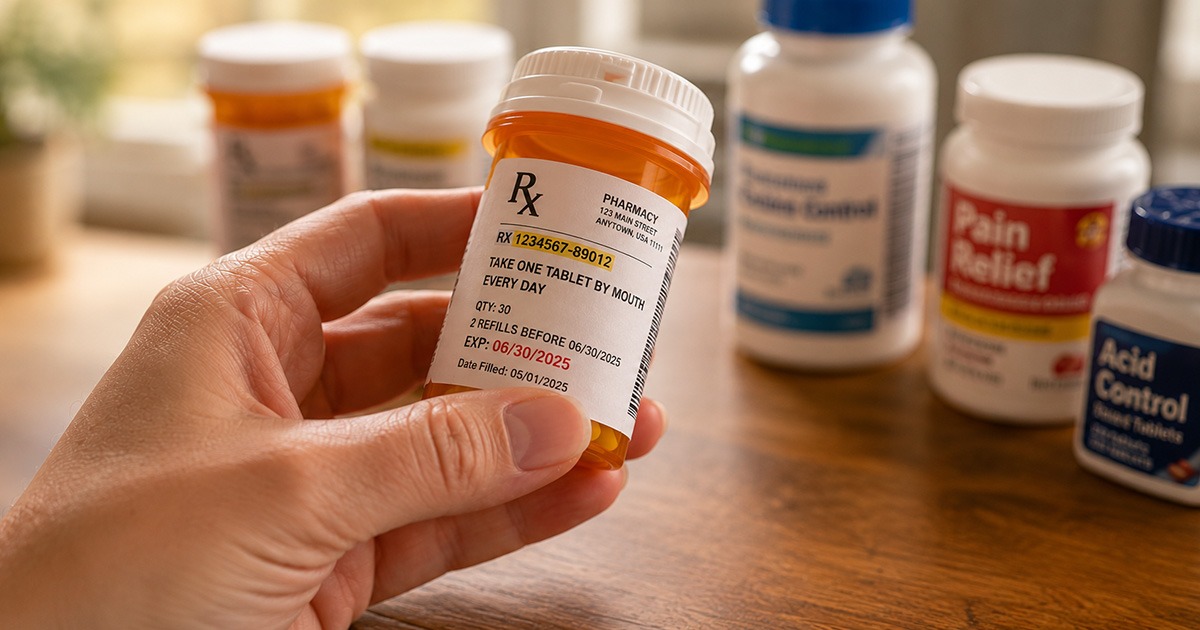
I was surprised to see how many expired OTC and prescription medicines were taking up valuable real estate in drawers in our dining room. Yep, you read that right. Pharmacy experts urge us not to store medications where they are overly exposed to moisture, heat and humidity. Bathrooms and kitchens may not always be the best choice.
I keep my volumes of prescription meds in a tall cabinet in our dining room so that once a month I can fill my weekly pill boxes all at the same time by spreading out the bottles and boxes on my large dining table. Do you have a clever storage location?
Expired medicines can have potential risks. They may lose some of their potency and not treat a medical issue as intended. Some medications may also become contaminated or otherwise change over time, which is why expiration dates and proper storage matter.
While some medications may retain their potency beyond the printed expiration date, there’s no guarantee. When in doubt, replace expired products and ask your pharmacist if you have questions. Medications used to manage chronic or serious health conditions should always be kept current.
Liquid medicines and products such as eye or ear drops may also be more susceptible to contamination, particularly after they have been opened. Pay close attention to their expiration dates and any instructions about how long they should be used after opening. And remember, prescription medications should never be shared with others unless specifically directed by a healthcare professional.
Discarding old medications is not that difficult. The best option for most expired or unused medications is a drug take-back location or mail-back program. Many pharmacies and communities offer these programs.
If a take-back option isn’t readily available, many medications can be disposed of in your household garbage. Remove them from their original containers and mix them, without crushing pills or capsules, with something undesirable such as dirt, used coffee grounds or cat litter. Place the mixture in a sealed bag or other closed container before putting it in the trash. Don’t forget to remove or scratch out your personal information from empty prescription bottles and packaging.
Some medications come with specific instructions to flush them when a take-back option isn’t readily available. However, please don’t flush other medications. Check the medication instructions or the FDA’s Flush List if you’re unsure.
Always, always dispose of needles and syringes properly. FDA-cleared sharps containers are the preferred choice. If one isn’t available, some local guidelines allow a heavy-duty plastic household container with a tight-fitting, puncture-resistant lid like Laundry detergent containers properly labeled to warn of hazardous waste inside the container. Always check your local community guidelines for proper sharps disposal.
Our communities also have routine medication “take-back” programs through local government agencies, law enforcement, drug coalitions and pharmacies. Be on the lookout for these in your area, as they are often well advertised!
Living well with a chronic disease like Neuroendocrine Cancer requires us to be diligent about all aspects of our health, even the little things hiding in the back of the medicine cabinet.
We here at NCAN hope to provide you with information, encouragement and a supportive community. Please check out the many resources available on our website and YouTube Channel. And remember, we’re always here for you if you need us.
This information is intended for general educational purposes. Always follow the storage and disposal instructions provided with your medication and talk with your pharmacist or healthcare provider if you have questions.
Disclaimer: NCAN blog posts are the opinions of its writers and are not intended as a replacement for medical advice. Please consult your Health Care Providers for individual concerns.
Post a comment