

September 1, 2025
By Anne Dabbs,
NCAN TN Support Group Leader, NET Patient
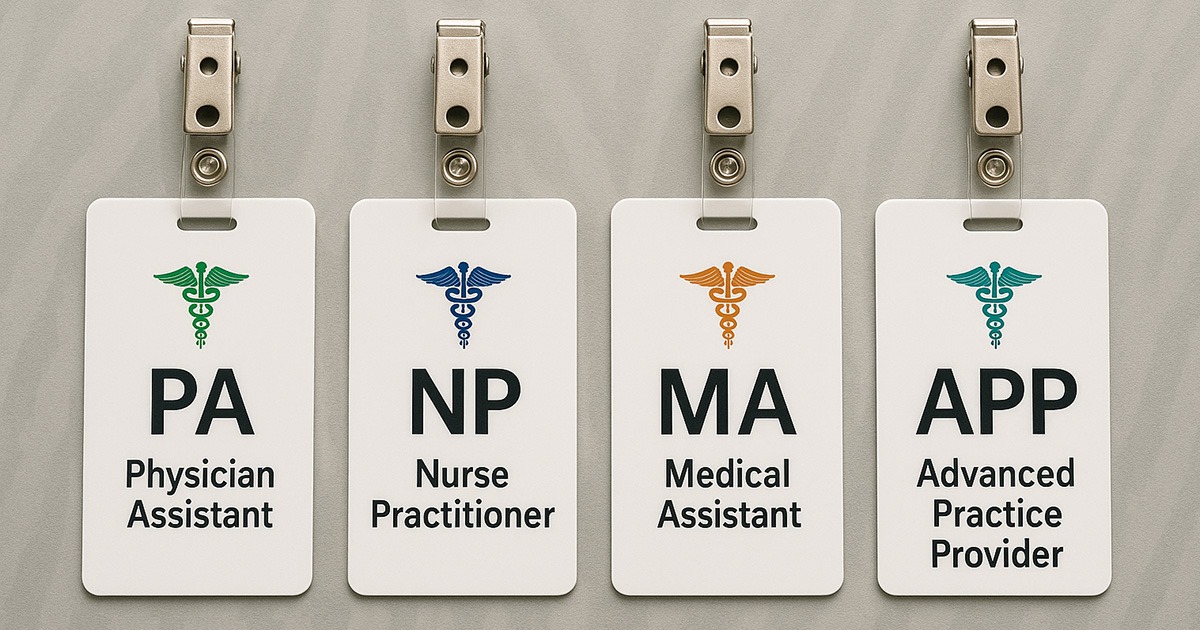
I recently gained a new member on my medical team: an APP.
No, not something you download to your phone. APP stands for Advanced Practice Provider.
The term provider began replacing physician in the 1970s, reflecting a shift in how the medical industry described the person responsible for a patient’s care. By the 1990s, the change picked up speed, influenced by new health policies, evolving workforce structures, and insurance billing practices. Today, provider is an inclusive term, especially in the popular team-based model of care.
In the highly specialized world of Neuroendocrine Cancer, APPs play a major role in our treatment. Early in our diagnosis, many patients, myself included, feel confused or even frustrated when it is not explained that PAs and NPs are essential to our standard care. If you are fortunate to have a lower-grade, relatively stable NET, you may find that your regular appointments do not always include your oncologist directly. Instead, APPs often serve as the main line of communication to your physician.
Last month, I added another member to my team: an MA. Curious and a little confused about where MAs fit into the hierarchy, I did some digging. Here is what I learned:
Who’s Who in APPs and Related Roles
• Advanced Practice Providers (APPs) – Licensed health care professionals with advanced training who can perform many of the same functions as doctors, including specialists. Whether they work independently or under supervision depends on state laws and facility policies.
• Nurse Practitioners (NPs) – Registered nurses with graduate-level degrees who can diagnose, prescribe medications, order tests, and manage treatment plans.
• Physician Assistants (PAs) – Usually hold a master’s degree in a medical-model program. They may or may not have a nursing background. They can perform physical exams, order and interpret tests, diagnose conditions, prescribe treatments, and in some states even assist in surgery.
• Medical Assistants (MAs) – Allied health professionals who support physicians, NPs, and PAs by performing both administrative and clinical tasks. Most complete either a two-year associate degree or a 9–12-month certificate program, covering medical terminology, office administration, basic anatomy, and limited clinical procedures. MAs can become Certified Medical Assistants (CMAs) through the appropriate board, but they always work under the supervision of an MD, DO, NP, or PA.
Of all my six “-ologists” and my NET specialist, dentist, PCP, and their assorted APPs, only my new MA has checked my height in the past two years. Impressive! I thought, this guy is good! Welcome to the team.
Of course, the result was humbling. Like many of us “seasoned adults,” I have shrunk a bit. Goodbye, good BMI!
Humor aside, knowing your care team and understanding who provides which services is essential. It helps you direct your concerns to the right person, builds trust, and fosters the kind of communication that makes living well with Neuroendocrine Cancer much more manageable.
Your care team is important, and so is having a community that understands. NCAN is always here to offer guidance, encouragement, and a listening ear. Reach out to us whenever you need support and we will be here for you.
Disclaimer: NCAN blog posts are the opinions of its writers and are not intended as a replacement for medical advice. Please consult your Health Care Providers for individual concerns.
Post a comment