

September 1, 2024
By Anne Dabbs,
NCAN TN Support Group Leader, NET Patient
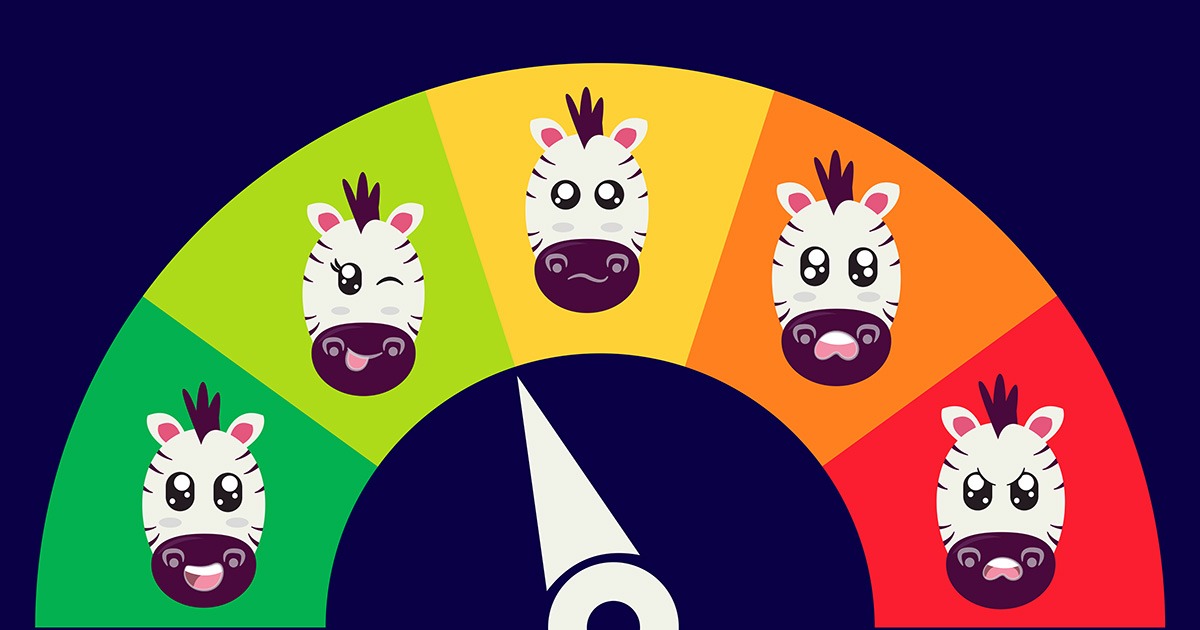
A common question surfaces frequently in our patient support groups: What is the proper response when someone asks you “How are you doing?”? We quickly learn that this is a loaded question, and our responses can vary greatly by patient, treatments, symptoms, and so much more.
When replying, we must assess the nature of the question. Is this a family member, a close friend, or someone who is simply being polite? Is the intent of “How are you doing?” genuine concern or casual curiosity? And then we must also determine how much we really want to share and why.
I recently learned of a concept that is prevalent in many cultures (other than my own) which could be beneficial for me to adapt as I respond to “How are you doing?” I would like to think that I will also incorporate it into my conversations with others who have struggles.
It requires that we, the cancer patient, first assess the true intent of that question. Obviously, caregivers and medical personnel need accurate information of our current well-being, but they too can better assist us if we also provide a reply which describes the transient state of our heart and our emotional well-being.
Society oftentimes leans into an answer which boasts how busy we are, how accomplished we are feeling, or a “woe is me” mind frame of frustration instead of success. I try to avoid being drawn into a conversation which revolves around whose to do list is the longest. It serves no purpose for my well-being, and I am typically unable to physically lighten the load of the individual whose tangible busyness typically exceeds my own.
Over the summer, I experienced a week of medical intenseness which was poorly, but unavoidably scheduled. Five days of physicians’ appointments plus two medical procedures left me emotionally drained. My physical health was being well taken care of. I received all good reports from my physicians. The procedures were uneventful. I should have been elated! But my heart and my soul were beaten to a pulp. The reality of my incurable chronic diseases could not be pushed to the back of my mind that week. I was struggling with my situation.
Fortunately, during my 6-month appointment with my PCP mid-week, she realized I needed more than a good medical report. In response to her “How are you doing?”, I was able to reply with an assessment of my emotional and mental wellbeing. I answered her as if she was a trusted, longtime friend who wanted more than a recital of my lab and scan reports. I answered her as I would my husband/caregiver or my closest friend. I told her that my heart was heavy. All my good labs and scan reports were overshadowed by my health reality staring me in my face. I was feeling overwhelmed by the concept of my chronic diseases.
My reply to my PCP reminded her that I am a human being, not just a human being checking off items on my medical to do list. I shared that my heart was heavy, the developments while not notable, were worrisome to me. I did not always feel heard, and I was losing sight of future carefree days. My checkup became a healing conversation. We were both present and engaged in that meeting. I instantly began to feel hopeful because I was being heard about what truly mattered most to me at that moment.
Going forward, I am trying to craft my replies based upon who is asking me how I am doing. My physicians and my spouse always need to know the latest medical news, but I also want them to be aware of the transient state of my heart considering my health.
To the casual acquaintance, who knows nothing about Neuroendocrine Cancer, a thumbs up will often suffice or a very brief truthful reply is adequate. For my fellow NETs cancer patients, asking with genuine concern and hopeful understanding, they can benefit from a brief recap of my treatments and surveillance methods and my responses.
For my closest family members and friends who don’t need to know the medical stats but are truly concerned how I am handling my disease…. I will answer them with my heart and my soul. I will tell them when my heart is joyous despite my disease. I will tell them when I need a hug, when my heart is sad. I think those closest to me are truly wanting those answers because they know that is an area in which they can offer support. I will attempt to make those inquiries a healing conversation for both of us.
In navigating the complexities of living with Neuroendocrine Cancer, finding the right words to respond to “How are you doing?” can be as challenging as managing the disease itself. The responses we choose aren’t just about sharing our physical health—they’re also about revealing the state of our hearts and minds. Through these interactions, whether with a casual acquaintance or a trusted confidant, we can foster a deeper connection that goes beyond surface-level exchanges.
At the Neuroendocrine Cancer Awareness Network, we understand the importance of these conversations. NCAN is committed to providing the resources, support, and community needed to help patients and their loved ones navigate these emotional complexities. By sharing our experiences and truly listening to one another, we create a space where honesty and vulnerability are met with understanding and care. This is at the heart of NCAN’s mission: to ensure that no one faces this journey alone and that every voice is heard.
As we continue to learn and grow together, let us remember the power of a heartfelt response. Whether we are on the giving or receiving end, these moments of genuine connection can be a source of strength and healing for us all. And remember, we are HERE for you if you need us.
Find out more about how YOU can help the NET Community.
Disclaimer: NCAN blog posts are the opinions of its writers and are not intended as a replacement for medical advice. Please consult your Health Care Providers for individual concerns.
Comments(4)-

-

-

-

Gayle Jensen says
December 2, 2024 at 2:49 pmWell all of this true and pertinent to me so now I am crying because it is so hard to keep responding with “ I’m ok.” When really I am not. I have been dealing with this diagnosis since 2002. I am grateful for every day but it’s exhausting.
John says
December 2, 2024 at 9:23 amYes thanks for your input. Going through with a smiling face and a heavy heart can be challenging .
Laurell A Watson says
November 27, 2024 at 12:04 pmWhen folks ask, my response is “I’m ok” sometimes it’s not worth going into specifics
Tami Krontz says
November 1, 2024 at 9:15 amAnne I love reading your stories, insights just your knowledge experiences and you convey them to where I understand them! Thank you so much Anne. You have helped more than you know ! Zebra Love Tami Krontz 🦓❤️
Please follow & like us :)
Copyright © 2026 Neuroendocrine Cancer Awareness Network. All Rights Reserved.
3074 Brookchase Blvd, Fort Mill, SC 29707 / (866) 850-9555 / 365 Days A Year / 9AM to 9PM EST
Site Architecture / TRANSFORM
Site Custom Designed & Maintained / DeMARE DeSIGN