

“No one
will ever have
to go
through a
Whipple
alone ever
again”
— RONDA AYALA, R.N.

HOSPITALIZATION AND SURGERY:

What is the Whipple?
The Whipple procedure, also called a pancreaticoduodenectomy, is a surgery used to remove tumors from the pancreas or bile duct. During the surgery, the head of the pancreas, bile duct, gallbladder, and part of the small intestine (duodenum) are removed. Sometimes part of the stomach (pylorus) and nearby lymph nodes are also taken out. The surgeon then reconnects the stomach, small intestine, pancreas, and bile duct so they can keep working together.
For a great explanation and videos, check out:
How long is the surgery and hospital stay?
The Whipple surgery usually takes about 6 hours but can be longer depending on your case. Ask your surgeon for an estimate. Most people stay in the hospital for 6–10 days afterward, but this may vary if there are complications.
How will they manage my pain?
Many Whipple patients get an epidural for pain control. Some use a patient-controlled epidural (PCEA) or a patient-controlled analgesia (PCA) machine, where you press a button to give yourself pain medicine. Once your digestion starts working again, you’ll switch to pain pills. Always tell your nurse or doctor if you’re still in pain—they can help adjust your medications.
Why do they remove so much and not just the tumor?
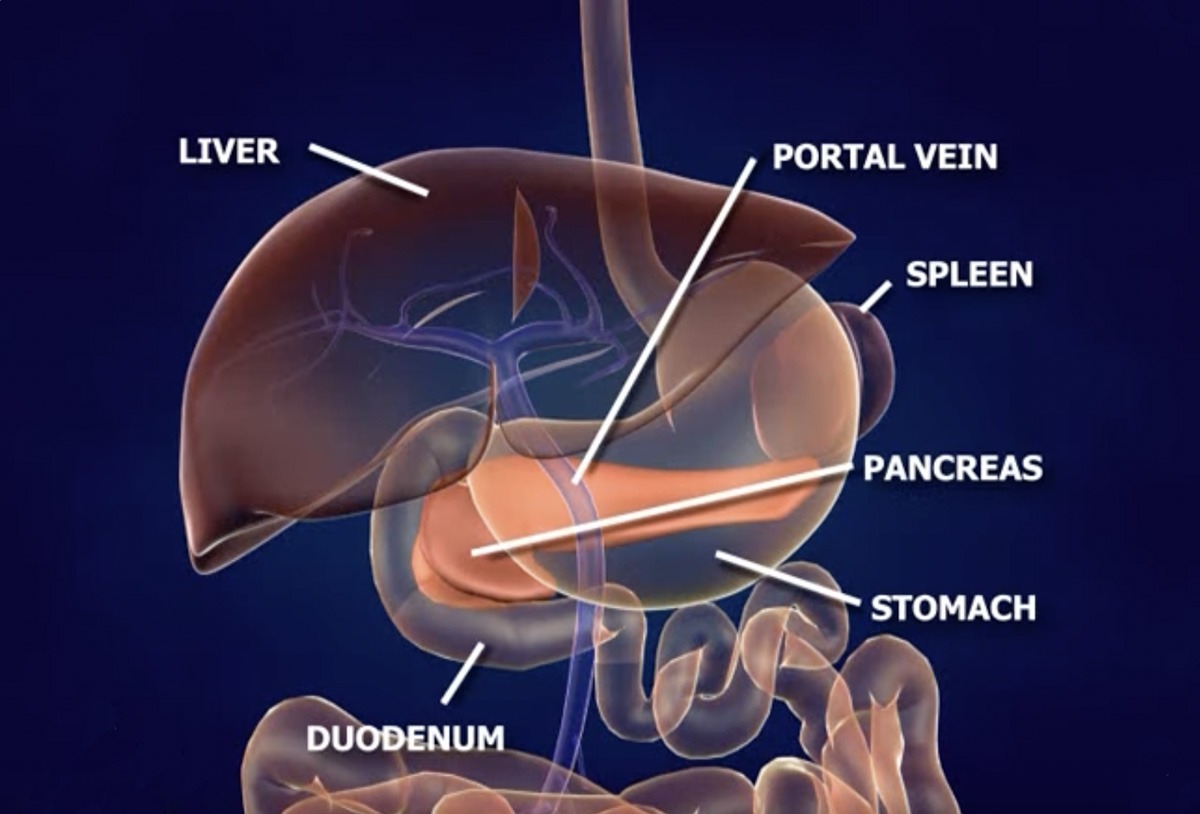
The pancreas, bile duct, and duodenum all share a common blood supply. To safely remove the tumor, the surgeon usually has to remove these connected parts as well.
See a helpful 3D animation here.
It’s always a good idea to get a second opinion.
Will I lose a lot of weight?
Weight loss varies. Some people lose 5–10% of their body weight, while others may lose more or very little. Everyone’s journey is different. If you have favorite foods, enjoy them before surgery—taste changes are common afterward.
Do I need to gain weight before surgery?
No, you don’t need to “get fat” before surgery—you need strength.
“When I had my Whipple, I was underweight, and no one told me I had to ‘bulk up’ first. What matters most is having a great doctor and your own will to live. Don’t let anyone take away your hope.” — Whipple Warrior Stephen Weinberg
The Whipple is a major surgery, like a heart or liver transplant. Make sure you have an experienced surgeon.
What should I bring to the hospital?
Here’s a list from Whipple patients and caregivers (always check with your doctor and hospital first):
• Living Will and/or Power of Attorney
• Hospital paperwork and directions
• Current medications, vitamins, enzymes
• Important phone numbers
• Extra underwear, slippers, robe, pajamas, pillow for the ride home
• Laptop, tablet, phone, books, or music
• Chapstick, lozenges (ask your doctor before using)
• Toothbrush, toothpaste, hairbrush
• Long socks
• Small games, cards, movies
• Extension cord
• Personal items (like photos of loved ones)
• Ear plugs, backscratcher, heat pads (if allowed)
• Tampons or pads (some women may have an unexpected period)
What will my scar look like?
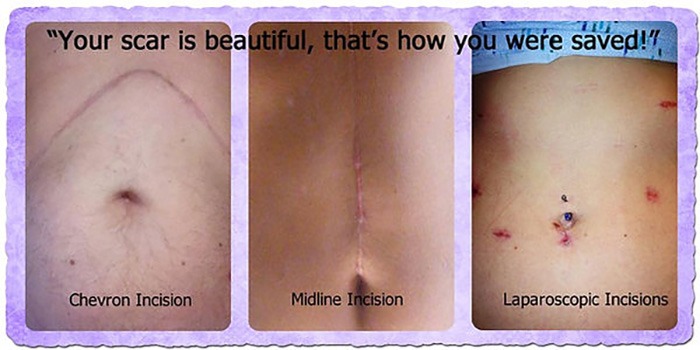
Surgeons may use different incisions: Chevron, Midline, or Laparoscopic. Each person’s scar is unique.
A Whipple Warrior shared this beautiful thought:
“A scar is never ugly. A scar means I survived.” – Chris Cleave
Why does everyone keep telling me to walk after surgery?
Walking soon after surgery is very important for recovery — even if you feel tired or sore. Years ago, patients were told to rest, but now doctors know that getting up and moving helps prevent complications and speeds up healing.
Here’s why walking matters:
- Lung health: Lying in bed can make parts of your lungs collapse, causing breathing problems. Walking helps keep your lungs open and healthy.
- Urinary system: Surgery and anesthesia can make it harder to urinate. Walking helps your bladder and kidneys start working again.
- Blood clots: Staying still in bed increases your risk of blood clots (DVTs) in your legs. Walking keeps your blood moving and lowers this risk.
- Bowel function: Walking helps your intestines “wake up” so you can pass gas and have bowel movements again.
In short, walking helps almost every part of your body recover!
How can I keep track of all my medications?
It’s easy to lose track of medications and doses. A great tool is My Medications List, which you can fill out on your computer, print, and carry in your wallet. This helps you, your doctor, and your care team stay organized.
How long will it take to recover from surgery?
Recovery times vary, but many people hear “6 weeks” as an estimate. One surgeon described it as about one month of recovery for every hour you were in surgery. For example, after a 6-hour Whipple procedure, you may feel closer to yourself around 6 months later. Full recovery can take up to a year. Everyone heals at their own pace, so check in with your doctor if you have concerns.
What questions should I ask my surgeon before a Whipple operation?
Here are some good questions to discuss with your surgeon:
- How many pancreatic cancer surgeries does your hospital do each year?
- How many Whipple surgeries have you personally done?
- How many do you perform each year?
- What complications have you seen with this surgery?
- What is the mortality rate (death rate) for this procedure at your hospital and in your practice?
- How long do your Whipple patients usually stay in the hospital?
The surgeon’s experience really matters, so don’t be afraid to ask!
How long does the NG tube stay in after surgery?
The nasogastric (NG) tube usually stays in for 3–5 days after surgery. It removes fluids from your stomach until your digestive system starts working again. You won’t be able to eat or drink while the tube is in.
How do I care for a Jackson-Pratt (JP) drain?
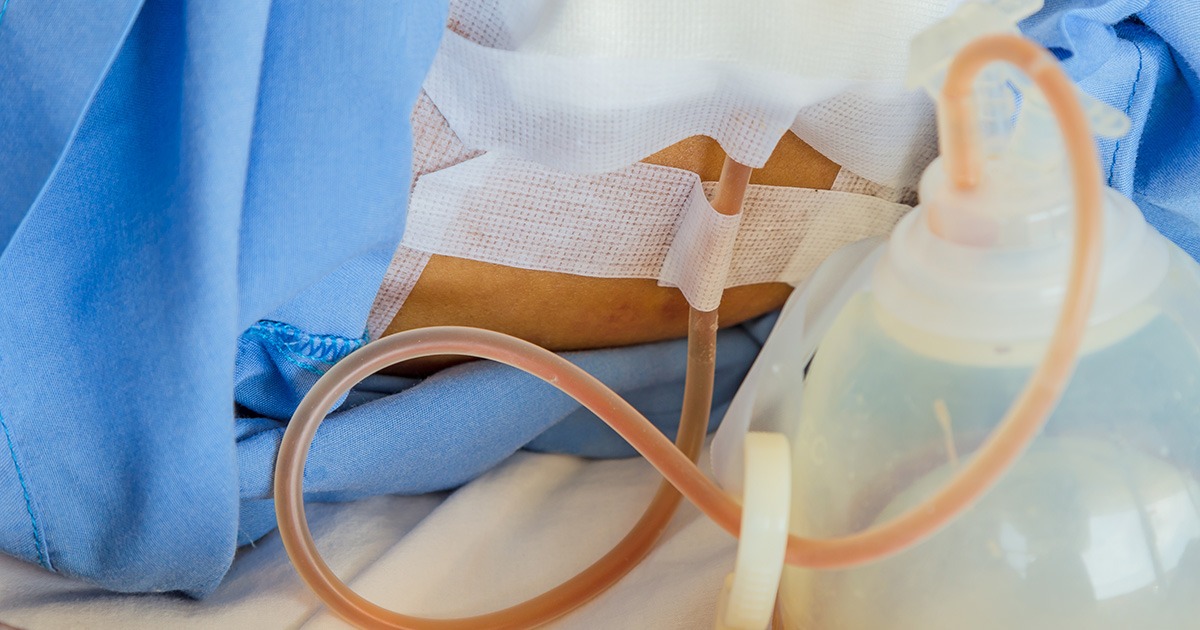
The JP drain removes fluid from the surgical site to help prevent swelling and infection.
Key points:
- Empty the bulb every 8–12 hours or when it’s half full.
- Measure and record the fluid amount.
- Clean the area once a day.
- Watch for signs of infection: redness, swelling, pain, fever over 101°F, or foul-smelling fluid.
How to empty the drain:
- Wash your hands.
- Remove the plug and pour fluid into a measuring cup.
- Squeeze the bulb flat and re-plug it.
- Record the amount and flush the fluid down the toilet.
- Wash your hands again.
If you notice a lot of leaking or clots inside the tube, call your doctor.
DIET AND NUTRITION:
What should I eat after my Whipple surgery?
After surgery, it usually takes 2–7 days before your intestines are ready for food. The first sign they’re working again is usually passing gas. Before leaving the hospital, you’ll gradually move from liquids to solid foods.
Nausea is common after surgery and can be caused by medications or changes in digestion. If nausea stops you from eating or drinking, call your doctor — dehydration can make it worse.
Once you’re home, report any ongoing digestive problems to your doctor, as they could be a sign of complications.
General Eating Tips
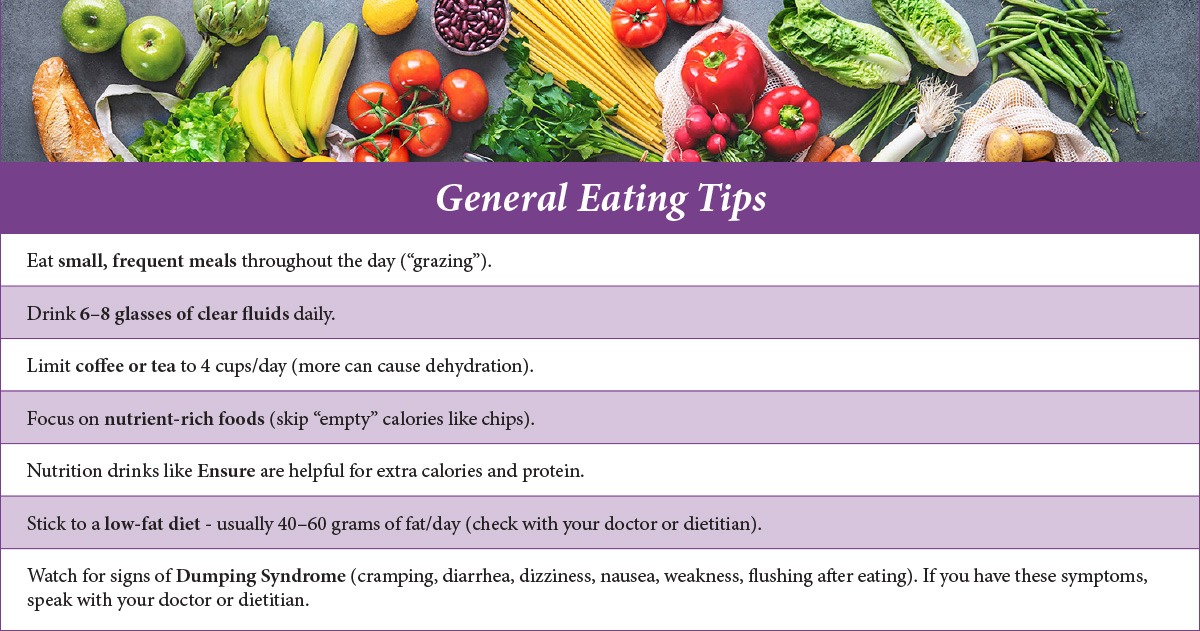
Phase I (East-To-Digest Foods)

Phase I (Sample day)

Drink fluids between meals, not during.
Phase II (After a few weeks)
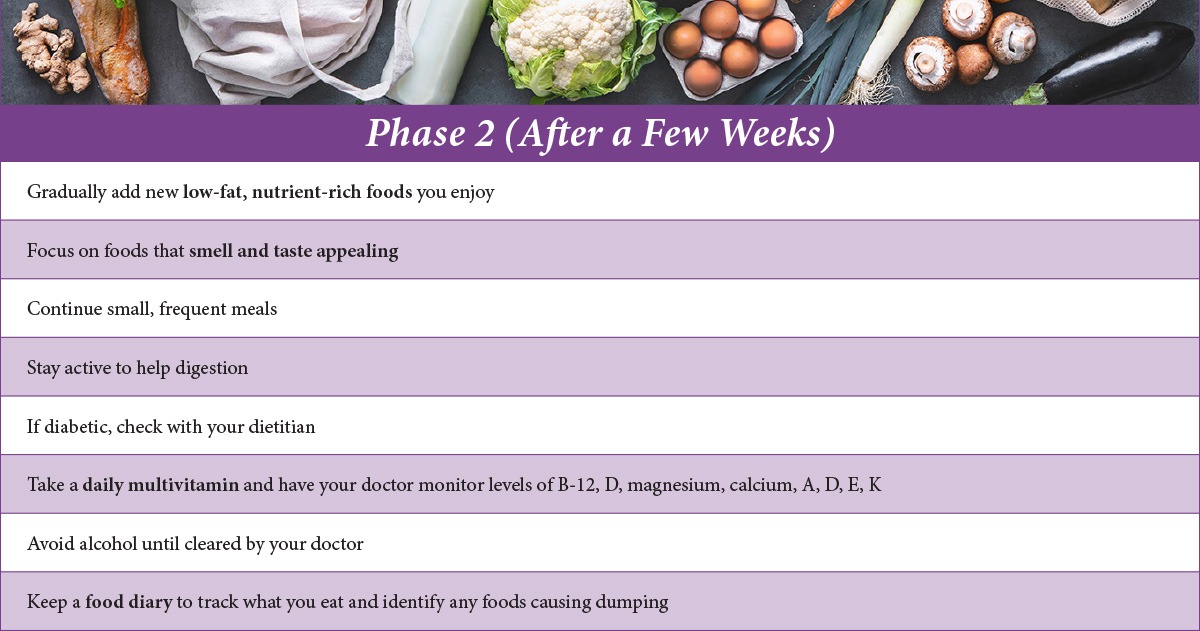
If you have Gastric Dumping
Symptoms: bloating, nausea, diarrhea, dizziness, sweating, rapid heartbeat — often 30–60 minutes or 2–3 hours after eating.
Why it happens:
- Early symptoms: sugars move too quickly into the intestine, pulling fluid from your tissues.
- Later symptoms: blood sugar spikes, then crashes.
How to manage it:
- Eat 6 small meals/day.
- Limit fluids to ½ cup during meals; drink more before and after.
- Rest 15 minutes after eating.
- Avoid sweets and sugars.
- Avoid very hot or cold foods.
Recommended foods
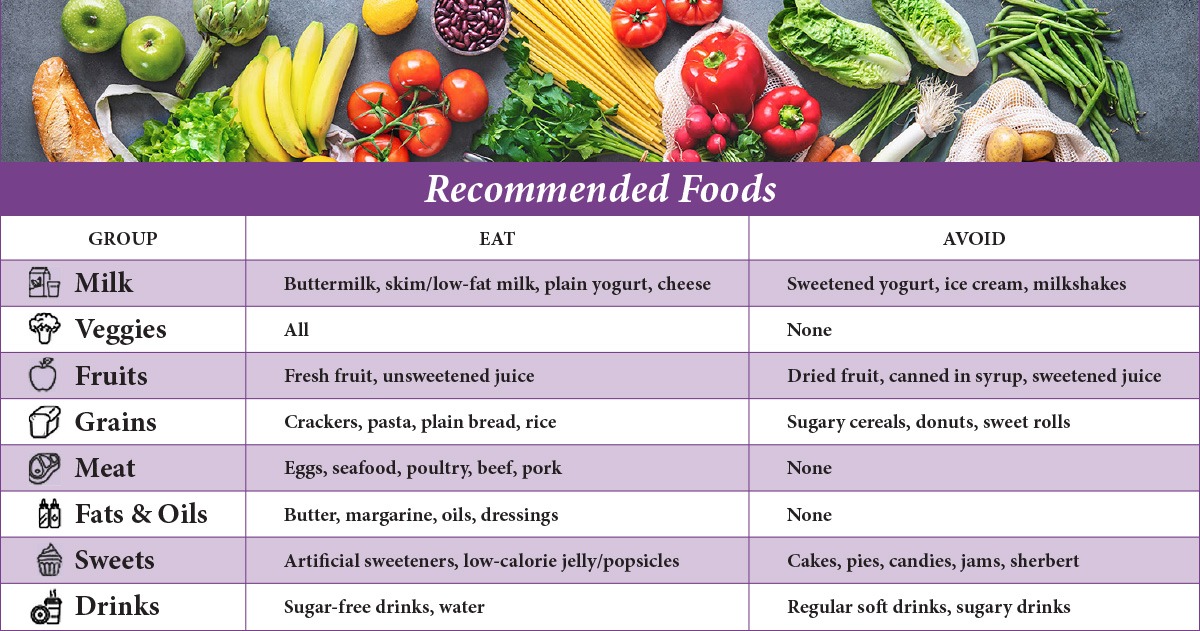
Sample menu for dumping syndrome
- Breakfast: Poached egg, toast with low-cal jelly, unsweetened juice, coffee with sugar substitute
- Lunch: Beef patty on bun, broccoli, skim milk
- Dinner: Chicken breast, mashed potatoes, green beans, coffee
- Snacks: Cereal with skim milk, turkey sandwich, cottage cheese with fresh peaches
Post-Whipple Diet: Simple Guide
Nutrition Basics:
- After a Whipple, your body may not absorb nutrients, vitamins, and minerals well.
- You may become low in iron, calcium, folate, and B-12.
- Your doctor may recommend vitamin/mineral supplements or B-12 injections.
Key Eating Tips:
- Eat 6 small meals per day — this prevents overwhelming your stomach.
- Limit fluids to 4 oz (½ cup) during meals — drink 30–45 min before or 1 hour after meals.
- Rest for 15 minutes after eating — this helps slow down how fast food moves through your gut.
- Avoid sweets and sugary foods — they can trigger dumping syndrome.
- Avoid very hot or cold foods if they cause symptoms.
Food Choices

Understanding Anemia After Surgery
- Anemia = low hemoglobin (Hb), meaning less oxygen delivery to your body.
- Types seen after Whipple:
- Iron-deficiency anemia → low iron and ferritin.
- Pernicious anemia → low B-12 due to loss of stomach cells that make intrinsic factor.
- Folate deficiency anemia → low folate (B-9), sometimes confused with B-6.
Key points:
- Low ferritin means you’re at risk for anemia, even if Hb is still normal.
- Iron is mostly absorbed in the duodenum (which is removed in Whipple), but some people still absorb enough elsewhere.
- B-12 deficiency may need injections.
- Always check with your doctor for the right treatment.
Tips to Avoid Constipation with Iron
- Some patients do better with liquid iron instead of pills.
- If needed, your doctor may recommend iron infusions (IV treatment).
- Work with your doctor to manage side effects.
Can I Drink Alcohol?
- Check with your doctor first.
- Many Whipple patients can have alcohol occasionally, but everyone is different.
Feeding Your Family After Surgery
- Make and freeze meals in individual containers, with cooking instructions on top.
- Ask your church or community for meal help.
- Consider using meal websites like Take Them a Meal or Meal Train to organize help.
Do I Need Pancreatic Enzymes?
Talk to your doctor if you have:
- Indigestion
- Cramping after eating
- Lots of gas or foul-smelling stools
- Floating, greasy, or fatty stools
- Frequent or loose stools, diarrhea
- Unexplained weight loss
Helpful resources:
POST SURGERY:

Possible After-Effects After the Whipple Procedure
Emotional Health
Many people feel anxious or depressed after a Whipple. If you’re not feeling like yourself, tell your doctor right away. Short-term antidepressants can help, and you’re not alone—many Whipple patients have the same experience.
Fear of Cancer Coming Back
Yes — it’s very common to worry that the cancer or mass will return. This fear is often shared in the Whipple Surgery Survivor Facebook group. The key is to remind yourself not to let the fear take over your life. Focus on living in the moment and remember, you’ve already shown strength once. Some people may also experience symptoms of post-traumatic stress (PTSD), like flashbacks, trouble sleeping, or anxious thoughts. You can find helpful tips in the Twitter chat archives under “Post-Traumatic Stress Syndrome.”
Worried About Your Next Scan?
Waiting for test results is nerve-wracking! Try to focus on one moment at a time and remind yourself: right now, you don’t have a new diagnosis. And if something does come up, you’ll face it just like you did before — with strength and resilience.
Recommended Blood Tests After Whipple (Discuss with Your Doctor)

- Comprehensive Metabolic Panel (includes potassium, glucose, protein, calcium, liver tests)
- Thyroid panel (TSH, T4, T3)
- Hemoglobin A1C (checks long-term blood sugar control)
- Iron, Vitamin D, B12, Ferritin (absorption may be reduced after Whipple)
- Fat-soluble vitamins (A, E, D, K)
- Magnesium, Phosphorus
- Complete Blood Count (CBC)
- Pancreatic enzymes
Always check with your doctor to see what’s right for you.
Help With Medication Costs

If you’re struggling to afford medications, here are some resources:
- NeedyMeds — info on medication assistance programs
- Bridges to Access — free non-cancer medications for those who qualify
- Discount Drug Cards — lowers prescription costs
- Partnership for Prescription Assistance — helps uninsured patients
- GSK Access — help for Medicare Part D patients needing GSK medicines
Why Is My Hair Falling Out After Whipple?
Hair loss after Whipple is common and can happen due to:
- Stress from surgery
- Anesthesia effects
- Medications
- Vitamin deficiencies (especially Vitamin A, due to poor fat absorption)
Look into vitamins that can help prevent hair loss. This kind of hair shedding is called Telogen Effluvium.
Tips for Nausea and Vomiting
- Avoid strong cooking smells; use a grill or cook outdoors
- Keep rooms cool and airy
- Eat small, frequent meals (rice, broth, crackers)
- Don’t let your stomach get empty
- Try crackers or dry toast, especially in the morning
- Cool foods are often easier to tolerate
- Avoid greasy, spicy, or very sweet foods
- Sip cold, clear drinks like ginger ale
- Drink fluids between meals
- Try peppermint or ginger tea, or peppermint/lemon candies
- Wear loose clothing
- Take anti-nausea meds 30 minutes before meals (ask your doctor)
- Relaxation techniques can help too
Help With Travel and Lodging for Treatment

Empathy vs. Sympathy
There’s a great video explaining the difference between empathy and sympathy:
Watch it on YouTube
DISCLAIMER:
Call 911 if you are having a medical emergency.
The Whipple Warriors website is for general education only. It does not provide medical advice, diagnosis, treatment, or professional services. Do not use any information from this site to make decisions about your health or medical care.
Always talk to your doctor or healthcare provider about any medical questions or concerns. Never delay or avoid getting medical care based on something you read here.
We are not responsible for how you use the information on this site or on any sites we link to. You visit and use this site at your own risk.
Medical knowledge and treatments change over time. The information on this site or its links may not be up to date, complete, or accurate. Always check with your doctor before making any healthcare decisions.
We do not endorse or recommend any products, treatments, tests, opinions, or other content mentioned on this site or in linked websites, social media pages, or patient stories. We also have no control over the content of those outside links, which may sometimes include offensive material. Use them at your own risk.
For help understanding any health information, please consult your doctor or healthcare provider.
Always check with your doctor before trying anything new. Even small issues can signal bigger problems.